

Indigestion — clinically termed dyspepsia — is one of the most common gastrointestinal complaints worldwide, affecting an estimated 20–30% of people in Western countries at some point in any given year. Despite its prevalence, indigestion is often poorly understood: many people treat individual symptoms without addressing underlying causes, or confuse temporary dietary indigestion with functional dyspepsia. Understanding what indigestion actually is, what triggers it, and which dietary and supplementary approaches have the strongest evidence base is the starting point for managing it effectively.
What Is Indigestion and What Causes It?
Indigestion refers to a cluster of upper gastrointestinal symptoms — typically pain or discomfort in the upper abdomen, a sense of fullness, bloating, nausea, or heartburn — that occur during or after eating. It is not a disease in itself but a collection of symptoms that can arise from multiple causes, ranging from simple dietary triggers to underlying structural or functional disorders.
Common causes of episodic indigestion include:
- Dietary factors — high-fat, highly spiced, very salty, or very sweet foods are harder to digest and more likely to trigger symptoms; eating too quickly, eating too close to bedtime, or consuming very large portions
- Stress and anxiety — stress activates the sympathetic nervous system and diverts resources away from digestive function; it also alters gut motility and can increase acid sensitivity
- Alcohol and nicotine — both impair the function of the lower oesophageal sphincter and increase gastric acid production, contributing to reflux and irritation
- Physical inactivity — reduced movement slows gastric emptying and intestinal transit
- Medications — non-steroidal anti-inflammatory drugs (NSAIDs) such as ibuprofen and aspirin directly irritate the gastric mucosa; some antibiotics also disrupt digestive function
Recurrent or persistent indigestion may be a symptom of an underlying condition, including gastro-oesophageal reflux disease (GERD), gastritis, peptic ulcers, Helicobacter pylori infection, or less commonly, more serious pathology. If symptoms are frequent, severe, accompanied by unexplained weight loss, difficulty swallowing, persistent vomiting, or signs of blood in stool, medical evaluation is necessary.
Recognising the Symptoms
Indigestion presents differently between individuals. The most common symptoms include a dull or burning discomfort in the upper abdomen, a feeling of fullness during or immediately after eating, bloating, belching, and nausea. Heartburn — a burning sensation rising from the stomach toward the throat — is a common associated symptom when there is a reflux component.
More concerning symptoms that go beyond simple indigestion and warrant prompt medical attention include fever, blood in stool (black or tarry stools), persistent vomiting, significant unexplained weight loss, difficulty swallowing, and chest pain (which must be distinguished from cardiac causes).
Simple dietary indigestion typically resolves within 1–2 days. Symptoms that persist beyond two weeks consistently should be evaluated by a doctor to rule out functional dyspepsia, GERD, or other treatable conditions.
What to Do (and Avoid) During Indigestion
During an acute episode:
- Eat smaller, more frequent meals rather than large ones
- Avoid lying down for at least two to three hours after eating
- Stay well hydrated — water and herbal teas are preferable to carbonated drinks
- Temporarily reduce or eliminate red meat, full-fat dairy, raw vegetables, and heavily spiced foods
- Avoid alcohol, coffee, and cigarettes entirely during the episode
- Walking or gentle movement after meals can help stimulate gastric motility
Natural Digestive Support: What the Evidence Supports
Ginger — One of the Best-Documented Digestive Herbs
Ginger (Zingiber officinale) has the most robust evidence base of any herbal digestive remedy. Its active compounds — gingerols and shogaols — stimulate gastric motility (speeding gastric emptying), increase the production of digestive enzymes, and reduce nausea via serotonin receptor modulation in the gastrointestinal tract. Multiple clinical trials have confirmed ginger's efficacy for nausea (including post-operative nausea and pregnancy-related nausea) and its benefits for general digestive discomfort. Fresh ginger tea, ground ginger in food, and standardised ginger capsules all provide relevant amounts of active compounds.
Digestive Enzymes — Supporting Efficient Breakdown
Digestive enzyme supplements provide concentrated forms of the enzymes normally produced by the pancreas and small intestine: protease (for proteins), lipase (for fats), amylase (for carbohydrates), and bromelain or papain (plant-derived proteases). For people whose indigestion is linked to impaired enzyme production — common in older adults, those with pancreatic insufficiency, or after heavy meals — enzyme supplements can significantly reduce bloating, gas, and the sensation of uncomfortable fullness. Bromelain, derived from pineapple stems, has both digestive enzyme activity and anti-inflammatory properties that make it particularly useful for post-meal discomfort.
Betaine HCl — For Low Stomach Acid
Counterintuitively, many cases of indigestion, heartburn, and bloating are caused not by excess stomach acid but by insufficient acid — a condition called hypochlorhydria. Adequate gastric acid is required to activate digestive enzymes, kill pathogens in food, and stimulate the lower oesophageal sphincter to close properly. Betaine hydrochloride supplements temporarily increase gastric acidity, which can relieve symptoms in people with low stomach acid. This is especially relevant for older adults, as stomach acid production naturally declines with age. Betaine HCl is typically taken immediately before or with meals.
Liquorice Root (DGL Form) — Mucosal Protection
Deglycyrrhizinated liquorice (DGL) — a form of liquorice root extract with the glycyrrhizin component removed to avoid hormonal side effects — is one of the most studied natural remedies for gastric mucosal support. DGL stimulates mucus production in the stomach lining, protecting it from acid irritation and supporting healing. It is particularly relevant for people with gastritis, acid reflux, or discomfort from NSAID use. Research supports its use for symptom relief in peptic ulcer disease and GERD.
Artichoke and Dandelion — Bile Flow and Liver-Digestive Axis
Artichoke leaf extract and dandelion root are both cholagogues — they stimulate bile production and secretion. Adequate bile flow is essential for fat digestion; insufficient bile is a common and underrecognised cause of indigestion, particularly after fatty meals, with symptoms including bloating, nausea, and upper right abdominal discomfort. Both herbs are also hepatoprotective and support liver detoxification pathways. For people whose indigestion is characterised by intolerance to fatty foods, these herbs are particularly relevant.
Triphala — Ayurvedic Digestive Tonic
Triphala is a traditional Ayurvedic formulation combining three fruits: Amalaki (Phyllanthus emblica), Bibhitaki (Terminalia bellirica), and Haritaki (Terminalia chebula). It has been used for centuries as a comprehensive digestive tonic, and contemporary research has found it supports bowel regularity, reduces oxidative stress in the gut, and has mild anti-inflammatory and antimicrobial properties. It is one of the more versatile herbal digestive supplements — equally relevant for sluggish digestion and for normalising irregular bowel habits.
Fennel and Caraway — Carminative Herbs for Gas and Bloating
Fennel (Foeniculum vulgare) and caraway (Carum carvi) are classical European carminative herbs — they relax smooth muscle in the gut wall, reducing cramping and facilitating the release of trapped gas. Both have been used for centuries in European phytotherapy specifically for bloating, colic, and functional digestive discomfort. Fennel seed tea and caraway seed preparations are among the gentlest and most tolerable options for immediate symptom relief.
Digestive Supplement Range at Medpak
We carry a comprehensive range of digestive support supplements across these categories. For enzyme support and HCl:


Doctor's Best
Doctor's Best Digestive Enzymes - 90 Veg Capsules
Regular price €36.99Unit price€0.41 each


Aliness
Aliness Bromelain 500 mg, Papain 200 mg - 100 Veg Capsules
Regular price €16.99Unit price€0.17 each


Aliness
Aliness Betaine HCL, Pepsin 650 / 150 mg - 100 Capsules
Regular price €14.49Unit price€0.14 each


Hepatica
Hepatica Digestive Enzymes Probiotic - 180 Capsules
Regular price €9.99Unit price€0.06 each


For herbal digestive and mucosal support, our digestive system collection includes the following options — covering liquorice, triphala, dandelion, artichoke, and ginger:


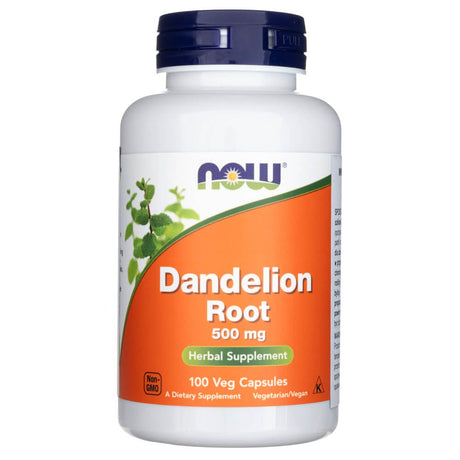


Now Foods
Now Foods Dandelion Root 500 mg - 100 Veg Capsules
Regular price €8.29Unit price€0.08 each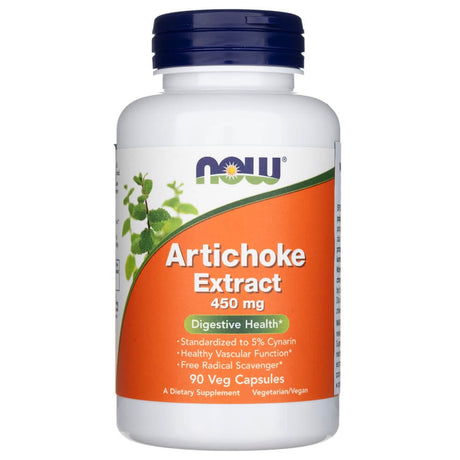


Now Foods
Now Foods Artichoke Extract 450 mg - 90 Veg Capsules
Regular price €13.99Unit price€0.16 each


Lifestyle and Dietary Habits That Make the Biggest Difference
Supplements work best as part of a broader approach that addresses the lifestyle factors that cause or worsen indigestion. The most impactful changes are: eating more slowly and thoroughly chewing food; not eating within 2–3 hours of bedtime; reducing alcohol and eliminating smoking; incorporating gentle post-meal movement; managing stress through regular exercise or relaxation practices; and reducing intake of ultra-processed foods, which are low in digestive enzymes and fibre and high in additives that can irritate the gut.
For longer-term gut health, ensuring adequate probiotic and fibre intake maintains a healthy microbiome — a diverse, balanced gut bacterial community significantly influences digestive efficiency and reduces the frequency of functional digestive symptoms. Our detox and cleanse collection includes supportive options for periodic gut-cleansing protocols.
This article is for information only and does not replace medical advice. If you have health concerns, are pregnant, breastfeeding or taking medication, consult a doctor or pharmacist. Dietary supplements are not a substitute for a varied diet.


