

Wild yam (Dioscorea villosa) is a climbing tropical vine native to North America and parts of Central America, where it has been used in traditional herbal medicine for centuries. In Africa and South America, closely related Dioscorea species are cultivated as an important starchy food crop. As a medicinal herb, wild yam gained significant interest in the 20th century when scientists discovered that its root contains diosgenin — a steroidal saponin that served as the primary raw material for the synthesis of the first oral contraceptive pill. That biochemical backstory partly explains why wild yam continues to attract interest in the context of hormonal health. Here is a clear-eyed look at what the science actually supports, and what remains uncertain.
What Is Wild Yam and What Does It Contain?
Wild yam root contains a range of bioactive compounds including steroidal saponins, most notably diosgenin and its glycoside forms (dioscin, gracillin). These are the compounds responsible for most of the plant's pharmacological interest. The root also provides B vitamins (particularly B1 and B6), vitamin C, potassium, phosphorus, manganese, copper, and moderate amounts of starch and protein.
The key distinction to understand about diosgenin — and one that is frequently misrepresented in popular health literature — is this: diosgenin from wild yam cannot be converted into progesterone in the human body. The conversion of diosgenin into progesterone requires multi-step chemical synthesis that can only happen in a laboratory, not in human metabolism. Products labelled as "natural progesterone from wild yam" that contain topical creams do not provide bioidentical progesterone unless that progesterone has been separately synthesised and added to the formulation. This is an important distinction for anyone using wild yam preparations specifically for progesterone-like effects.
What wild yam does contain — diosgenin and related saponins — acts as a phytoestrogen: a plant compound that interacts with oestrogen receptors in a weaker, modulatory way. This activity is the basis for the plant's traditional and contemporary use in women's hormonal health contexts.
What Research Suggests — and Its Limitations
Wild yam has been studied in several clinical and laboratory contexts, with mixed and often preliminary results:
Menopausal symptoms: A randomised crossover trial published in Climacteric (Komesaroff et al., 2001) found that twelve weeks of wild yam cream use produced mild improvements in some menopausal symptoms in some women, but the differences were not statistically significant compared to placebo for the primary outcomes. The study is one of the few adequately controlled clinical trials available, and its findings are generally characterised as suggesting modest or inconclusive effects. Larger, better-powered trials have not been conducted.
Lipid and cholesterol effects: Diosgenin has shown cholesterol-modulating properties in animal studies (affecting LDL/HDL balance), but clinical trials in humans have produced inconsistent results. The same Komesaroff trial found some changes in sex hormone levels but no significant effect on lipids.
Blood glucose: Animal studies have suggested that dioscoretine, a compound in wild yam, may help regulate blood glucose. No clinical trials in humans have confirmed these effects for wild yam supplementation.
Anti-inflammatory and antispasmodic use: Wild yam has a long traditional history as an antispasmodic — used for menstrual cramps, intestinal cramping, and musculoskeletal pain. These applications are based on traditional use and plausible mechanisms (diosgenin's steroid-like anti-inflammatory activity), but have not been formally studied in clinical trials.
Wild yam does not have approved EU health claims. The evidence base, while interesting, does not meet the threshold required for authorised claims.
Wild Yam in Practice: When Is It Used?
Despite the limitations of the evidence base, wild yam remains widely used in women's herbal medicine, typically in three contexts:
- Menopausal support — as a mild phytoestrogen, often used alongside other botanicals including red clover, black cohosh, and dong quai for hot flushes, night sweats, and mood fluctuations associated with the menopausal transition
- Menstrual comfort — traditionally used for dysmenorrhoea (painful periods) and PMS, based on its antispasmodic and mild anti-inflammatory properties
- Hormonal balance support — used as part of herbal protocols aimed at supporting oestrogen/progesterone balance during the premenopausal years
Available formats include capsules (whole root powder or standardised extract), liquid tinctures, and topical creams. Capsule formats are the most practical for consistent supplementation; dosing typically follows manufacturer guidance, as no standard clinical dose has been established. Liquid extracts offer flexibility in dosing.
Wild Yam Supplements at Medpak


 25% off
Vitaler's
Vitaler's Wild Yam 500 mg - 60 Capsules
Sale price €5.99 Regular price €7.99Unit price€0.10 each


Complementary Women's Botanical Herbs at Medpak
Wild yam is often used alongside other well-established herbs for women's hormonal and reproductive health. Red clover provides a standardised isoflavone dose with the most clinical evidence among phytoestrogens. Black cohosh is the most studied herb specifically for menopausal hot flushes with Cochrane-reviewed evidence. Dong quai is a classic Traditional Chinese Medicine herb for menstrual regularity and gynaecological support. Our herbs collection includes all of these:
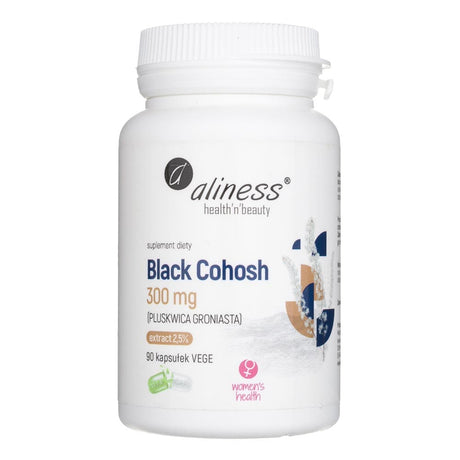


Aliness
Aliness Black Cohosh (Cimicifuga racemosa) 300 mg - 90 Veg Capsules
Regular price €11.59Unit price€0.13 each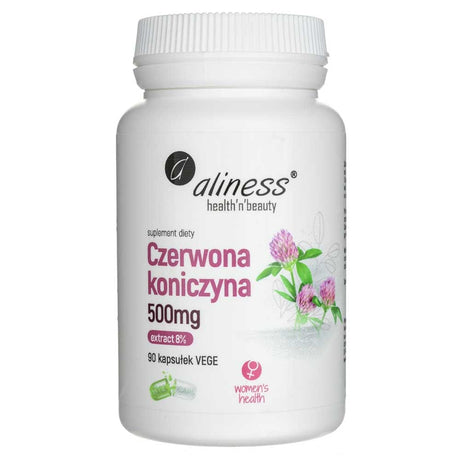


Aliness
Aliness Red Clover extract 8% 500 mg - 90 Veg Capsules
Regular price €12.09Unit price€0.13 each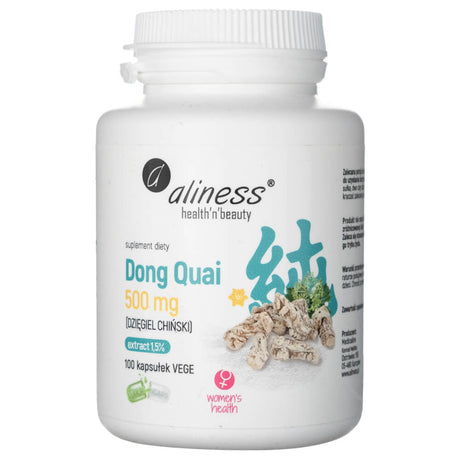

 16% off
Aliness
Aliness Dong Quai 500 mg - 100 Veg Capsules
Sale price €8.99 Regular price €10.69Unit price€0.09 each


This article is for information only and does not replace medical advice. If you have health concerns, are pregnant, breastfeeding or taking medication, consult a doctor or pharmacist. Dietary supplements are not a substitute for a varied diet.


