

Insects and arachnids carry diseases. Contrary to what many people think, this is not just a concern in exotic destinations where a mosquito bite could lead to malaria. Across Europe, the threat can be just as serious — or even greater. Ticks are the culprits in question, and an encounter with one can result in conditions such as meningitis, a disease that affects children, pets, and adults alike.
What Are Ticks and Where Do They Live?
Ticks belong to the arachnid family, closely related to spiders and mites. There are over 850 known tick species worldwide, though in Central Europe only a handful are commonly encountered. The most prevalent species across the continent include:
- Castor bean tick (Ixodes ricinus) — the most widespread species in Europe, found in deciduous and mixed forests with high humidity. However, these ticks also thrive in parks, gardens, and suburban green spaces, making encounters possible even during a casual stroll through a city park.
- Meadow tick (Dermacentor reticulatus) — prefers moist environments such as shrubby pastures, marshy woodland areas, and lakeshores. Particularly common in Eastern Europe, this species is expanding its range westward in recent years.
- Pigeon tick (Argas reflexus) — as its name suggests, this species feeds primarily on pigeon blood and is found in nesting areas such as attics and lofts, posing a risk to residents of urban buildings.
Regardless of the species, tick presence poses a genuine health risk for both humans and their four-legged companions. Ticks are known vectors of Lyme disease, tick-borne encephalitis (TBE), and several other dangerous infections.
How to Protect Yourself from Ticks
Ticks should never be ignored, but their presence does not mean you have to stay indoors. Following a few practical guidelines can significantly reduce your risk of becoming a tick's host. While complete avoidance is difficult, awareness and preparation go a long way.
Behavioural Protection
Ticks are most active during the early morning and late afternoon, so avoiding walks through tall vegetation at these times can help. When hiking or walking through nature, stick to the centre of paths and avoid brushing against roadside bushes and overhanging branches. If you plan to rest on a meadow, choose an open spot in the middle of a clearing and wait for the morning dew to dry — ticks prefer moist environments and are less active in dry, sunny conditions.
Clothing also plays an important role. Wearing long trousers and long-sleeved shirts creates a physical barrier. Tuck your trousers into your socks and wear a hat or cap to protect your head. Light-coloured clothing makes it much easier to spot a tick before it reaches your skin, giving you time to brush it off quickly.
Chemical Repellents
While behavioural precautions help, chemical repellents offer a much stronger line of defence. These products are most commonly available as sprays, though roll-ons and creams are also effective options. Sprays provide quick, easy application but their scent may fade relatively fast. Creams and roll-ons, on the other hand, tend to offer longer-lasting protection — simply apply a thin layer to exposed skin for several hours of coverage. Importantly, the market now includes herbal-based formulas that are safe for use on children under three years of age.


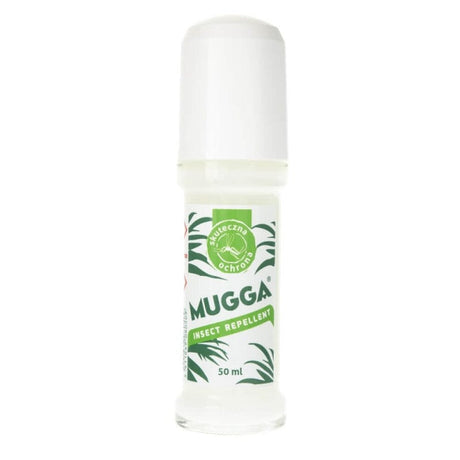


Mugga
Mugga Soothing balm for mosquito bites and burns - 50 ml
Regular price €6.69Unit price€13.38 /100ml


For a wider selection of sprays, roll-ons, and balms, browse our full insect repellent collection.
Ultrasonic Tick Repellent Devices
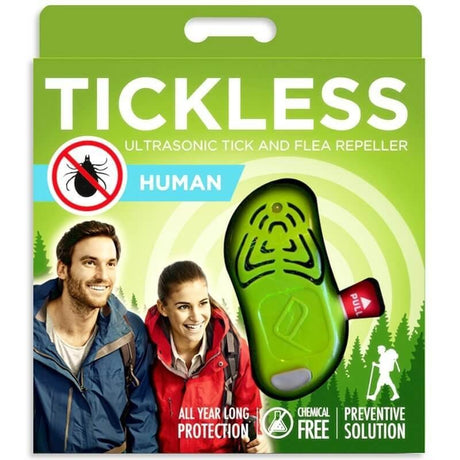
A relatively new innovation in tick protection is the ultrasonic repellent device. These small, wearable gadgets emit ultrasonic waves that interfere with ticks' sensory receptors, making it harder for them to detect a potential host. They are chemical-free, completely silent to the human ear, and extremely convenient — simply clip one to your clothing or belt and enjoy protection for months. This makes ultrasonic devices one of the safest and most comfortable methods of tick prevention, ideal for families with young children or anyone who prefers to avoid applying chemicals to their skin.



 5% off
Tickless
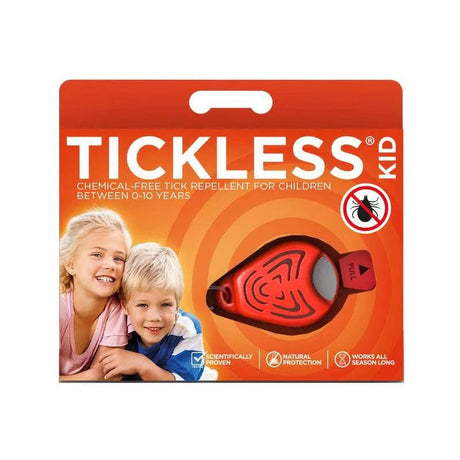
Tickless Kid Ultrasonic tick repellent - Orange
Sale price €33.29 Regular price €35.09Unit price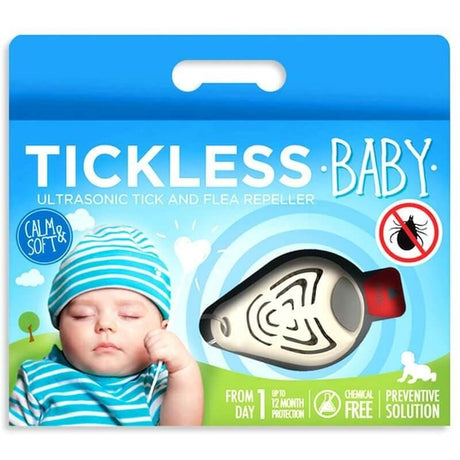

 10% off
Tickless
Tickless Baby Ultrasonic tick repellent - Beige
Sale price €33.29 Regular price €36.99Unit price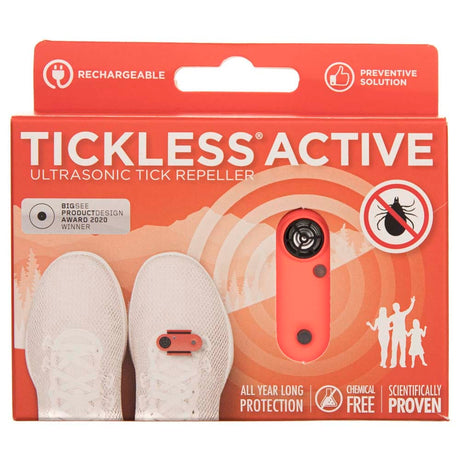


Explore our full range of electronic tick repellents to find the right option for every family member.
Tick Protection for Dogs
Protecting dogs from ticks presents a unique challenge. Our four-legged friends are naturally drawn to all the places ticks love — bushes, tall grass, dense woodland — and keeping them on the centre of a path is rarely an option. Dogs explore with their noses, roll in the grass, and push through undergrowth, making them particularly vulnerable to tick bites.
Traditional protection methods for dogs include scented collars that repel ticks through a chemical barrier. However, the scent fades over time, and replacing collars frequently can become inconvenient and costly. Injectable treatments administered by a veterinarian offer another option but require regular vet visits. Topical sprays designed for humans are generally not recommended for use on pets.
This is where ultrasonic pet repellent devices offer a practical, hassle-free alternative. Simply attach the device to your dog's collar and it provides continuous, chemical-free tick protection throughout the season — no vet visits required, no irritating chemicals, and no fading scent to worry about.


 10% off
Tickless
Tickless Eco Pet Ultrasonic Tick Repellent - Brown
Sale price €30.99 Regular price €34.49Unit price


 5% off
Tickless
Tickless Pet Mini Ultrasonic Tick Repellent - Mentha Green
Sale price €44.69 Regular price €47.09Unit price


You can find more products for your pet's wellbeing in our tick and flea protection section, or browse the full pet care collection at Medpak.
What to Do If You Get Bitten
Despite the best precautions, tick bites can still happen. If you find a tick attached to your skin, remove it as soon as possible using fine-tipped tweezers or a specialised tick removal tool. Grasp the tick as close to the skin surface as possible and pull upward with steady, even pressure. Do not twist, crush, or squeeze the tick's body, as this may cause it to release more pathogens into the wound.
After removal, clean the bite area thoroughly with an antiseptic and monitor it for several weeks. If you notice a spreading red rash (often ring-shaped), fever, headaches, or joint pain, consult a doctor promptly — these may be early signs of Lyme disease. A soothing balm can help relieve itching and irritation in the meantime. Check our after-bite care products for gentle, effective options.
Key Takeaway: Tick protection is a multi-layered approach — combine behavioural awareness, appropriate clothing, chemical repellents, and modern ultrasonic devices for the most effective defence. Whether you are protecting yourself, your children, or your pets, starting early in the season and staying consistent is the best strategy for a tick-free outdoor experience.
This article is for information only and does not replace medical advice. If you have health concerns, are pregnant, breastfeeding or taking medication, consult a doctor or pharmacist. Dietary supplements are not a substitute for a varied diet.


