

Piperine is the alkaloid responsible for the characteristic pungency of black pepper (Piper nigrum), but its significance extends well beyond the spice rack. Research has identified piperine as a biologically active compound with a range of properties relevant to digestive health, metabolic support, nutrient absorption, and more. Because the amounts of piperine obtained from ordinary culinary use of black pepper are too small to produce measurable physiological effects, concentrated supplements have been developed to make these benefits practically accessible.
What Is Piperine and How Does It Work?
Piperine is an alkaloid extracted from the fruit of Piper nigrum (black pepper) and Piper longum (long pepper). It accounts for roughly 5–9% of the dry weight of black pepper. The compound has been extensively studied, and a standardised extract — most commonly standardised to 95% piperine or higher — is used in dietary supplements.
One of piperine's most well-documented mechanisms is its ability to enhance the bioavailability of other nutrients and compounds. It does this primarily by inhibiting certain metabolic enzymes and intestinal transport proteins that would otherwise reduce the absorption of vitamins, minerals, and plant extracts. This is why piperine is so frequently included as a complementary ingredient alongside compounds like curcumin, which has notoriously poor natural bioavailability. You can explore the range of piperine-containing formulations in our herbs and botanical supplements collection.
Piperine and Nutrient Bioavailability
The bioavailability-enhancing effect of piperine has been studied most thoroughly in combination with curcumin, the active compound in turmeric. Research has demonstrated that the co-administration of piperine with curcumin can increase curcumin's absorption dramatically — some studies suggest by up to 20-fold — compared to curcumin taken alone. This combination has become one of the most popular pairings in the supplement industry, reflecting genuine scientific backing.
Beyond curcumin, piperine has shown potential to improve the absorption of a range of nutrients, including certain B vitamins, beta-carotene, selenium, and coenzyme Q10. For those who use a comprehensive supplement routine, the inclusion of a small amount of piperine may support better overall uptake from other supplements taken concurrently.
Digestive Health Support
Piperine has a well-established relationship with digestive function. It is thought to stimulate the secretion of digestive enzymes in the pancreas, increase the production of gastric hydrochloric acid, and support healthy blood flow to the gastric mucosa — all of which contribute to more efficient digestion. Traditionally, black pepper has been used in a number of culinary cultures precisely for its digestive-stimulating properties, a use that aligns with the pharmacological evidence now available.
For those who experience digestive sluggishness, reduced appetite, or discomfort after meals, piperine supplementation may offer complementary support alongside dietary adjustments. Explore our digestive system supplements for a broader range of products in this area.
Metabolic and Weight Management Applications
Piperine has attracted interest in the context of weight management through several proposed mechanisms. It exhibits thermogenic properties — meaning it may slightly increase heat production in the body, which contributes to a modest elevation in caloric expenditure. Research also suggests that piperine may influence fat metabolism by interfering with the differentiation of preadipocytes into mature fat cells, though this effect has been demonstrated primarily in laboratory cell studies and should not be overstated.
Piperine may also support protein utilisation, which is relevant for those seeking to improve body composition through resistance training. By improving overall nutrient absorption and supporting metabolic enzyme activity, it can play a useful supporting role for physically active individuals. It is important to set realistic expectations: piperine is not a standalone weight loss solution, and its effects are most relevant when combined with a balanced diet and regular physical activity. For a broader view of metabolic support options, see our weight loss supplements collection.
Cognitive and Neuroprotective Research
Preliminary research has examined piperine's potential effects on the central nervous system. Animal studies suggest that piperine may inhibit certain enzymes involved in the breakdown of neurotransmitters, and may help reduce oxidative stress in brain tissue. Some researchers have investigated its potential relevance to conditions involving cognitive decline, with early findings suggesting a possible neuroprotective role. These results are interesting but are based primarily on animal models — they should not be interpreted as established clinical evidence for any brain health benefit in humans.
Similarly, the combination of piperine with curcumin has been the subject of early-stage research exploring anti-inflammatory and antioxidant effects that may be relevant to cellular health. While promising, this research remains in early stages and does not constitute clinical evidence of efficacy for any specific condition.
Piperine Supplementation: Practical Guidance
Standalone piperine supplements are typically standardised to 95% piperine extract and offered in doses of around 5–20 mg per capsule. Daily intakes used in research generally range from 5 mg to 20 mg — relatively small amounts compared to many other supplements, reflecting the compound's potency. A typical supplementation period discussed in product guidance is 2–3 months, followed by a break before resuming.
Piperine is also widely available in combination products, most commonly with curcumin, where it serves as a bioavailability enhancer rather than the primary active ingredient. When choosing a standalone piperine supplement, look for products standardised to at least 95% piperine for consistent potency.


 5% off
Progress Labs
Progress Labs Piperine Forte Plus - 120 Capsules
Sale price €9.96 Regular price €10.49Unit price€0.08 each


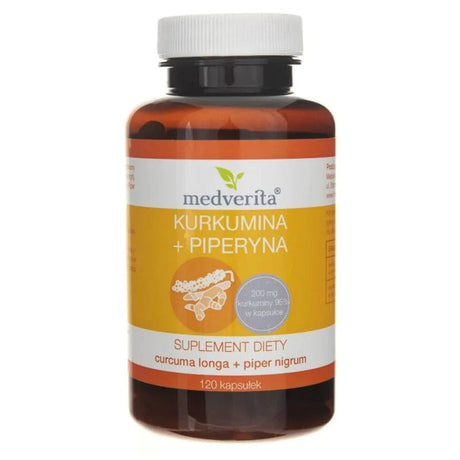
Piperine is also widely used as a bioavailability enhancer in combination formulations, most commonly with curcumin:


Medica Herbs
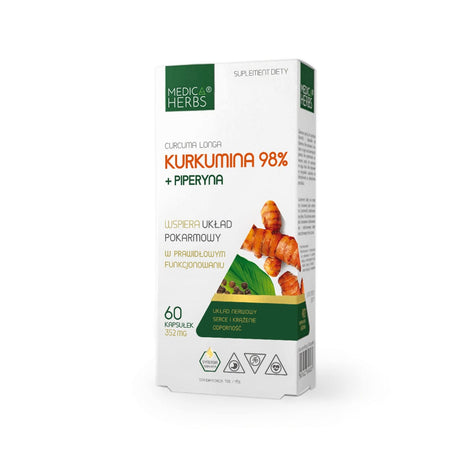
Medica Herbs Curcumin 98% Piperine - 60 Capsules
Regular price €7.19Unit price€0.12 each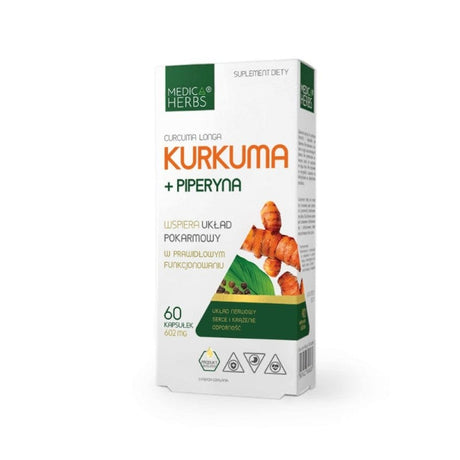

Medica Herbs
Medica Herbs Curcumin + Piperine 600 mg - 60 Capsules
Regular price €4.09Unit price€0.07 each


Doctor's Best
Doctor's Best High Absorption Curcumin + BioPerine - 120 Capsules
Regular price €54.79Unit price€0.91 each


This article is for information only and does not replace medical advice. If you have health concerns, are pregnant, breastfeeding or taking medication, consult a doctor or pharmacist. Dietary supplements are not a substitute for a varied diet.


