

Omega-3 fatty acids are among the most researched nutrients in modern nutritional science — and among the most consistently under-consumed in European diets. Classified as essential fatty acids, they cannot be synthesised by the human body and must be obtained through food or supplementation. Despite this, the gap between recommended and actual intake remains significant across most age groups. Understanding what omega-3 fatty acids are, why they matter, and how to choose a quality source is one of the most impactful things you can do for your long-term nutritional health.
What Are Omega-3 Fatty Acids?
Omega-3s are a family of polyunsaturated fatty acids characterised by the position of their first double bond in the carbon chain. There are three key types relevant to human health:
- ALA (alpha-linolenic acid) — the plant-based form, found in flaxseed, hemp, walnuts, and rapeseed oil. ALA is the only omega-3 classified as strictly essential, meaning the body cannot produce it at all. It must come from food.
- EPA (eicosapentaenoic acid) — a long-chain omega-3 found primarily in fatty fish and marine algae. The body can convert ALA to EPA, but the conversion rate is low — typically 5–10%.
- DHA (docosahexaenoic acid) — the longest-chain omega-3, also from marine sources. DHA is a structural component of brain tissue and the retina. Conversion of ALA to DHA in the body is even more limited than to EPA.
This distinction matters practically: eating flaxseed oil provides ALA, which supports general cellular health, but does not reliably supply the EPA and DHA that the body needs for brain, heart, and eye function. For those EPA and DHA benefits, direct dietary or supplementary sources are the most dependable approach.
Why Omega-3s Matter: Key Functions
Heart and Cardiovascular Health
EPA and DHA are among the few nutrients with well-established, officially recognised EU health claims for cardiovascular function. DHA and EPA contribute to the normal function of the heart; EPA and DHA contribute to the maintenance of normal blood triglyceride levels (at a daily intake of 2 g); DHA and EPA contribute to the maintenance of normal blood pressure (at a daily intake of 3 g). These are not marketing claims — they are approved by the European Food Safety Authority based on clinical evidence. For people looking to support their cardiovascular system through diet and supplementation, our cardiovascular collection offers a range of relevant products.
Brain Function and Mental Health
DHA is a structural component of neurons — it is incorporated into cell membranes throughout the brain and plays a direct role in signalling between brain cells. DHA contributes to the maintenance of normal brain function (EU-approved claim at 250 mg/day). Adequate DHA intake throughout life — from prenatal development through older adulthood — is associated with better cognitive performance, memory, and mood regulation. EPA is studied for its role in supporting emotional balance, and several clinical trials have examined its potential in the context of low mood and stress response. For broader cognitive health support, explore our brain and cognitive function collection.
Eye Health
DHA is also concentrated in the photoreceptors of the retina, where it contributes to the maintenance of normal vision (EU-approved claim at 250 mg/day). This is one reason omega-3 intake during pregnancy and early childhood is particularly emphasised — the developing visual system has a high demand for DHA.
Pregnancy and Child Development
Maternal DHA intake contributes to normal brain and eye development in the foetus and breastfed infant — an EU-approved health claim for pregnant and breastfeeding women at 200 mg DHA per day above the general recommendation. Adequate omega-3 status during pregnancy and the first years of life is one of the most evidence-backed nutritional priorities in perinatal care. Nordic Naturals offers dedicated prenatal and children's formulas designed for these specific life stages, available in our health in pregnancy collection.
Fish vs Plant Sources: What to Choose
Plant-based omega-3 sources (flaxseed, hemp, walnuts, chia) provide ALA — a useful dietary fat, but not a reliable substitute for EPA and DHA given the body's limited conversion capacity. Fatty fish (salmon, mackerel, herring, sardines) provide EPA and DHA directly. Algae — the original source from which fish accumulate their omega-3s — provide EPA and DHA in a form suitable for people following plant-based diets.
A practical concern with fish oils is the risk of contaminants — heavy metals, PCBs, and dioxins can accumulate in fatty fish, particularly larger species. Quality omega-3 supplements address this through molecular distillation or other purification processes; a certificate of analysis confirming purity is a useful indicator of quality. Algae-based supplements bypass this issue entirely, as they are cultivated in controlled environments.
Fish Oil and Marine Omega-3 Supplements
Our omega-3 range spans entry-level to high-concentration options from established brands. Nordic Naturals and Solgar represent the most tested and consistently rated options among the brands we carry:

Nordic Naturals
Nordic Naturals Ultimate Omega, Lemon 1280 mg - 180 Softgels
Regular price €72.19Unit price€0.40 each


Nordic Naturals
Nordic Naturals Omega-3 690 mg, Lemon - 120 Softgels
Regular price €33.99Unit price€0.28 each
Now Foods
Now Foods Ultra Omega-3, 500 EPA / 250 DHA - 90 Softgels
Regular price €18.99Unit price€0.21 each


Solgar
Solgar Triple Strength Omega 3 950 mg - 100 Softgels
Regular price €40.99Unit price€0.41 each
Doctor's Best
Doctor's Best Purified & Clear Omega 3 Fish Oil with Goldenomega 1000 mg - 120 Capsules
Regular price €35.59Unit price€0.30 each


Plant-Based and Algae-Derived Omega-3
For people following vegan or vegetarian diets — or those who prefer to avoid fish-derived products — algae-based EPA and DHA supplements provide the same active forms without animal-derived ingredients. Vegetology and Nordic Naturals both offer certified vegan options:



Vegetology
Vegetology Omega 3 EPA & DHA + Vitamin D3 - 60 Capsules
Regular price €27.59Unit price€0.46 each

Vegetology
Vegetology Omega 3 EPA & DHA + Vitamin D3 Liquid, Natural - 150 ml
Regular price €27.19Unit price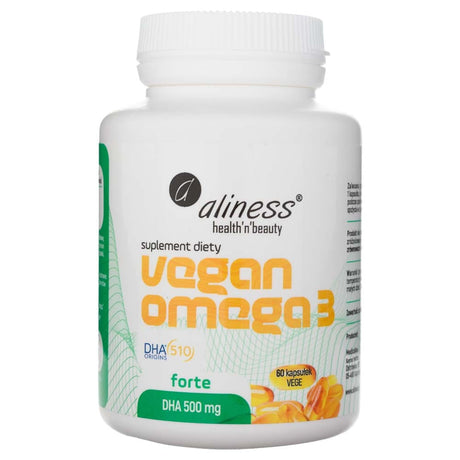


Aliness
Aliness Vegan Omega 3 FORTE DHA 500 mg - 60 Veg Capsules
Regular price €18.69Unit price€0.31 each


Nordic Naturals
Nordic Naturals Algae Omega 715 mg - 60 Softgels
Regular price €29.99Unit price€0.50 each


Aliness
Aliness Vegan Omega 3 DHA 250 mg - 60 Veg Capsules
Regular price €11.49Unit price€0.19 each


Omega-3 for Children
Children's omega-3 requirements are well established in clinical nutrition. DHA supports normal brain and eye development, and adequate intake in the first years of life is associated with better cognitive and visual outcomes. Children-specific formulas from Nordic Naturals are available in liquid and chewable softgel formats, in flavours designed for younger palates. You can find the full selection in our children's health collection.
Flaxseed Oil: The Plant-Based ALA Source
For those who use omega-3 as part of a whole-food dietary approach — such as the Budwig protocol — cold-pressed linseed (flaxseed) oil remains the richest plant-based source of ALA. It contributes to a balanced omega-3 to omega-6 ratio in the diet and supports normal blood cholesterol levels when substituted for saturated fat. Linseed oil is covered in detail in our dedicated article on the Dr Budwig diet; our full range of cold-pressed linseed oils is available in the cooking oils section.
Omega-3 and Cholesterol: Setting Expectations
Omega-3's relationship with cholesterol is often misunderstood. EPA and DHA at higher doses (2 g/day or more) contribute to the maintenance of normal blood triglyceride levels — a key cardiovascular risk marker. Their direct effect on LDL cholesterol is more modest and context-dependent. The more consistent cardiovascular benefit comes from replacing saturated and trans fats with omega-3-rich sources, rather than expecting omega-3 alone to correct a high-cholesterol diet. Combined with a reduced intake of processed foods, the evidence for omega-3 supplementation supporting cardiovascular health is strong and well-replicated.
This article is for information only and does not replace medical advice. If you have health concerns, are pregnant, breastfeeding or taking medication, consult a doctor or pharmacist. Dietary supplements are not a substitute for a varied diet.


