

Liquorice (Glycyrrhiza glabra) is one of those plants that bridges the worlds of traditional herbal medicine, food, and modern phytotherapy with surprising ease. Known for a distinctly sweet root that has been used medicinally since antiquity, liquorice is far more than a confectionery flavouring — it is a complex herb with a well-documented history of use for digestive, respiratory, and immune support. Like many potent herbs, however, it rewards careful use and warrants an understanding of its limitations alongside its benefits.
What Is Liquorice — and What Makes It Distinctive?
Liquorice is a perennial legume native to southern Europe, the Middle East, and parts of Central Asia, where it has been cultivated and harvested for thousands of years. The most valued part of the plant is its root — a long, fibrous structure that can reach up to one metre in length and is typically harvested in autumn. The root's characteristic sweetness comes from glycyrrhizin, a triterpenoid saponin that is estimated to be 30–50 times sweeter than sucrose and is responsible for many of the herb's pharmacological properties.
Beyond glycyrrhizin, liquorice root contains flavonoids with antioxidant activity, phytosterols, coumarins, and a range of vitamins and minerals including magnesium, potassium, and calcium. This complex phytochemical profile underlies the herb's diverse traditional applications and its continued relevance in both herbal medicine and the food and cosmetic industries.
Traditional and Emerging Uses of Liquorice Root
Digestive Support
One of liquorice's most well-established traditional uses is the support of the digestive system. The root has a long history of use in soothing gastric discomfort, heartburn, and symptoms associated with gastric irritation. Glycyrrhizin and related compounds are thought to help protect the mucous membranes of the stomach and intestines, which may explain its traditional role in addressing discomfort linked to gastritis and peptic ulcers.
A particularly relevant option for digestive use is DGL — deglycyrrhizinated liquorice. In DGL preparations, glycyrrhizin is removed, which significantly reduces the risk of blood pressure elevation and electrolyte imbalance associated with regular liquorice use. This makes DGL products better suited for longer-term digestive support without the cardiovascular concerns. Explore our full digestive system supplements for a broader range of gut-supportive options.
Respiratory System
Saponins present in liquorice root have expectorant properties — they may help loosen mucus and support the clearance of the airways. For this reason, liquorice has been a traditional component of herbal formulas for coughs, throat irritation, and respiratory discomfort. It appears in various forms, from dried root teas to standardised extracts, often combined with other respiratory herbs. You can browse our respiratory system collection for complementary products.
Adaptogenic and Immune Support
Liquorice is sometimes classified as an adaptogen — a herb traditionally used to help the body maintain balance during periods of stress, partly through its influence on adrenal function. Glycyrrhizic acid may affect cortisol metabolism by inhibiting the enzyme that breaks it down, which can contribute to sustained cortisol activity. This is a property that requires careful context: while it may offer support for individuals with adrenal fatigue, it also means that liquorice is contraindicated in people with hypertension and certain hormonal conditions.
Liquorice also has documented antiviral and antibacterial activity in preclinical research, which supports its traditional use as an immune-supporting herb, particularly during the cold and flu season. For a broader selection of herbal immune and adaptogenic support, see our herbs collection.


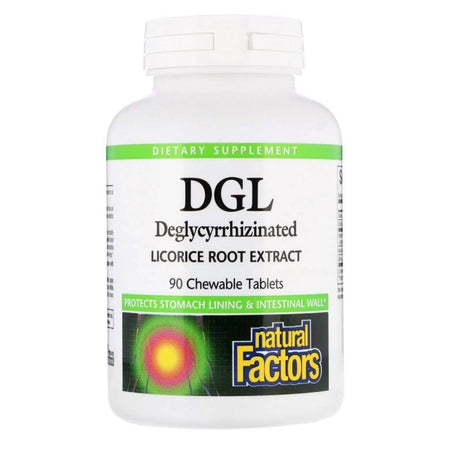
Natural Factors
Natural Factors DGL Deglycyrrhizinated Licorice Root Extract - 90 Chewable Tablets
Regular price €17.99Unit price€0.20 each


Liquorice in Skincare
Liquorice root extract has become an increasingly recognised ingredient in topical cosmetics, valued for several distinct skin benefits. Its anti-inflammatory compounds — in particular glabridin, a flavonoid unique to liquorice — help calm redness and irritation, making it suitable for sensitive, reactive, and acne-prone skin. Liquorice extract is also used as a skin-brightening agent: it inhibits tyrosinase, an enzyme involved in melanin synthesis, which means it may help reduce the appearance of hyperpigmentation, sun spots, and uneven skin tone over time with consistent use.
Additionally, liquorice contributes to strengthening the skin's barrier function, supporting moisture retention and resilience against environmental stressors. Topical liquorice preparations — from toners to body balms — are generally well tolerated, including by those with atopic-prone or very sensitive skin.


Nature's Answer
Nature's Answer Licorice, Fluid Extract, Alcohol-Free 2000 mg - 30 ml
Regular price €15.19Unit price€5.06 /10ml
 10% off
MyVita
MyVita Silver Liquorice - 60 Capsules
Sale price €8.99 Regular price €9.99Unit price€0.15 each


Dosage and Forms Available
Liquorice is available in several forms, each suited to different purposes. Dried root can be prepared as an infusion using approximately 1–2 teaspoons of chopped root per cup of hot water, consumed 1–2 times daily. Standardised capsule or tablet supplements typically range from 250 to 500 mg of extract per day for adults, though the appropriate dose depends on the glycyrrhizin content and the specific preparation. Liquid extracts and tinctures offer flexibility in dosing.
Regardless of form, liquorice should generally not be used continuously for more than 4–6 weeks without medical supervision, due to the cumulative effects of glycyrrhizin on electrolyte balance. DGL preparations are an exception and may be used for longer periods under appropriate guidance.
Side Effects, Contraindications, and Drug Interactions
Liquorice root's potency is a double-edged quality. Glycyrrhizin inhibits the enzyme 11β-hydroxysteroid dehydrogenase, which normally breaks down cortisol in the kidneys. When this enzyme is suppressed, the kidneys respond similarly to aldosterone excess — retaining sodium and excreting potassium. The resulting hypokalaemia (low potassium) and sodium retention can elevate blood pressure and, in significant excess, cause cardiac complications. These effects are dose- and duration-dependent and are largely absent from DGL preparations.
This article is for information only and does not replace medical advice. If you have health concerns, are pregnant, breastfeeding or taking medication, consult a doctor or pharmacist. Dietary supplements are not a substitute for a varied diet.


