

Diet trends come and go with remarkable speed — but a few endure, and the ketogenic diet is one of the most persistent. Its longevity is not a matter of fashion: it is backed by decades of research, a well-defined physiological mechanism, and a track record of results for people with specific health goals. Whether you are exploring it for weight loss, metabolic health, or neurological support, here is what you actually need to know — without the hype.
A Brief History: From Epilepsy Treatment to Lifestyle Choice
The ketogenic diet has been around since 1921, when it was developed as a therapeutic approach for epilepsy — with considerable success. Its use in neurology declined after 1938 with the introduction of phenytoin, a convenient anti-seizure medication. But the diet never disappeared from clinical practice entirely, and in recent decades it has re-emerged both as a medical tool and as a popular nutritional strategy for weight management and metabolic health.
Interestingly, the original "ketogenic diet" was a form of therapeutic fasting. The severe nutrient deficiencies it caused forced modifications, eventually producing the high-fat, low-carbohydrate approach familiar today — which mimics the metabolic state of extended caloric restriction without actual starvation.
How the Ketogenic Diet Works
The body's default fuel is glucose, derived from dietary carbohydrates. When carbohydrate intake is reduced dramatically — typically to under 5% of total calories — the body finds itself without its preferred energy source and turns to stored fat as an alternative. This metabolic shift is called ketosis.
During ketosis, the liver breaks down fatty acids to produce ketone bodies — acetoacetate, beta-hydroxybutyrate, and acetone. These compounds serve as an efficient alternative fuel for the brain and other organs, and are only produced in sufficient quantities (at least 4 mmol/l) when carbohydrate intake remains genuinely low. This is why adherence to the macronutrient ratios is not optional: partial restriction does not trigger ketosis and produces neither the metabolic nor the appetite-suppressing effects of the full diet.
How Long Does It Take to Enter Ketosis?
Metabolic adaptation takes time and varies between individuals. Experts generally estimate a minimum of 30 days for the body to fully adapt to fat as its primary fuel, though the process can take up to six weeks in some cases. The transition period — sometimes called "keto flu" — may involve temporary fatigue, headaches, and irritability as the body adjusts. These symptoms typically resolve within a week or two.
One important practical note: during the early stages of the diet, the body excretes a significant amount of water (glycogen, which is depleted first, holds roughly 3–4 g of water per gram). This explains the rapid initial weight loss — and also means that adequate hydration is essential throughout. At least 8 glasses of water per day is recommended.
Macronutrient Ratios: The Core Principle
The ketogenic diet is defined by a macronutrient distribution that looks counterintuitive at first glance: approximately 70–90% fat, 8% protein, and 2% carbohydrates. For comparison, a typical Western diet draws about 50% of its calories from carbohydrates, 36% from fat, and 14% from protein. The contrast is stark — which is precisely why many people find the concept hard to accept before seeing the evidence.
One notable advantage of this composition is the near-absence of hunger. Research consistently identifies inadequate satiety as the leading cause of premature diet abandonment. Fat is highly satiating, and ketone bodies themselves have appetite-suppressing properties. That said, the diet is genuinely restrictive in one important dimension: eliminating all processed and sweetened foods, starchy vegetables, grains, and most fruits requires planning and consistency.
What to Eat on a Ketogenic Diet
Keto-compatible foods include: all types of meat and quality cured meats; fish and seafood; eggs; full-fat dairy (cheese, butter, cream); healthy oils (sunflower, rapeseed, hemp, flaxseed, black cumin, olive oil); nuts (walnuts, cashews, pistachios, almonds); and seeds (pumpkin and sunflower seeds). Low-carbohydrate vegetables are also encouraged: tomatoes, cucumbers, radishes, peppers, broccoli, cauliflower, and avocado all fit the framework.
Foods to eliminate: potatoes and starchy vegetables; all grain products (bread, rice, cereals, pasta); honey and jam; sweetened drinks; alcohol; sweets; and high-sugar fruits (mandarins, oranges, pineapple, grapes, apples, peaches).
Practical Meal Ideas
A well-planned keto day does not have to be monotonous. Scrambled eggs with bacon and tomatoes, tuna salad, or hard-boiled eggs with mayonnaise work for breakfast. Mid-morning might be natural yoghurt with seeds, avocado and walnut salad, or quality sausage. Lunch could be roast chicken breast with broccoli and a vegetable salad dressed in cold-pressed flaxseed oil, or steamed salmon with avocado salad. Snacks: pepper and cucumber with yoghurt dip, Greek salad with feta. Dinner: chicken salad with balsamic, herring in cream, or tuna with sun-dried tomatoes and avocado.
Health Applications and Benefits
Beyond weight management, the ketogenic diet has well-documented applications in specific clinical contexts. It remains a recognised therapeutic approach for drug-resistant epilepsy, particularly in children, and is studied for its potential in type 2 diabetes management — where it directly addresses insulin resistance and blood glucose levels. Research also points to benefits for cardiovascular health and kidney function when the diet is properly implemented.
More speculatively but increasingly supported by research, the ketogenic diet is being investigated for neurological and neurodegenerative conditions including Alzheimer's disease, Parkinson's disease, ALS, and multiple sclerosis. The precise mechanisms protecting neurons under ketosis are still being studied, but the preliminary evidence is substantive enough to make this an active area of clinical research.
Supplementing a Ketogenic Diet
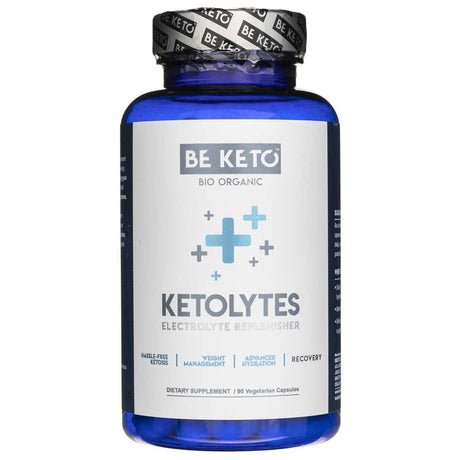
Because the keto diet eliminates many foods that are conventional sources of micronutrients, careful attention to nutritional completeness is essential. Electrolyte balance is a particular concern — sodium, potassium, and magnesium are all lost more rapidly during the initial adaptation phase. MCT oil (medium-chain triglyceride oil) is widely used as a direct ketone precursor, supporting faster entry into ketosis and providing a readily available energy source. Cold-pressed oils and keto-specific protein and collagen products help maintain adequate intake of essential fatty acids and amino acids within the diet's constraints. For a full range of compatible products, browse our Healthy Food & Nutrition and Weight Loss collections.

BeKeto
BeKeto MCT Oil Pure C8, Pure Caprylic Acid Triglyceride Oil - 1000 ml
Regular price €37.49Unit price€37.49 /L




BeKeto
BeKeto Ketolytes Electrolyte Replenisher - 90 Capsules
Regular price €16.89Unit price€0.19 each


 10% off
BeKeto
BeKeto Keto Burn Fat Burner - 90 Capsules
Sale price €21.19 Regular price €23.59Unit price€0.24 each


For convenient keto-friendly food products — from snacks and protein powders to bread and sweet alternatives that fit the macronutrient profile — BeKeto offers one of the most complete dedicated ranges available. Find the full selection in our Healthy Snacks category.
 5% off
BeKeto
BeKeto Keto Whey Isolate MCT Powder, Natural Chocolate - 300 g
Sale price €26.29 Regular price €27.69Unit price€87.63 /kg


BeKeto
BeKeto Keto Collagen with MCT Oil, Fresh Strawberry - 300 g
Regular price €27.09Unit price€90.30 /kg


 11% off
BeKeto
BeKeto Keto Gummy Bears - 60 Gummy Bears
Sale price €16.19 Regular price €18.09Unit price€0.27 each


This article is for information only and does not replace medical advice. If you have health concerns, are pregnant, breastfeeding or taking medication, consult a doctor or pharmacist. Dietary supplements are not a substitute for a varied diet.


