

Inositol is one of the many compounds that support the body's functioning. It is often referred to as the "fertility vitamin" because of its positive effects on the reproductive system in both women and men. Calling it a vitamin is technically imprecise — the body can synthesise inositol, and it is present in meaningful amounts in food — but it is classified alongside the B vitamins and designated vitamin B8. It is less well-known than most B vitamins, yet the scope of its roles in cellular signalling, mental health, metabolic regulation, and reproductive function makes it increasingly relevant in both research and supplementation practice.
What Is Inositol?
Inositol is a sugar alcohol — a cyclic polyol structurally related to glucose — found naturally in virtually every cell in the body. It is detected in particularly high concentrations in the brain, heart, liver, kidneys, and muscles. Several structural forms (isomers) of inositol exist, of which myo-inositol is the most abundant and biologically active form in humans. D-chiro-inositol is a second form of clinical interest, particularly in the context of insulin signalling and PCOS.
Inositol functions primarily as a second messenger in cellular signalling — it is a component of phosphoinositides, which are lipid signalling molecules embedded in cell membranes. Through this role, it participates in the signalling cascades triggered by insulin, serotonin, FSH, and other key hormones and neurotransmitters. This central position in cellular communication explains why inositol has effects across such a broad range of physiological systems. Browse our vitamin B collection for inositol alongside other B-complex compounds.
Mental Health: Mood, Anxiety, and Sleep
Inositol increases the sensitivity of serotonin receptors — specifically by modulating the phosphoinositide second messenger system through which serotonin signals are transmitted within neurons. This mechanism provides a basis for its effects on mood, anxiety, and mental wellbeing. Clinical research has investigated myo-inositol for panic disorder and OCD, with several studies showing meaningful reductions in symptom frequency. Its anxiolytic and mood-supportive effects operate differently from pharmaceutical interventions, making it a complementary rather than competing approach in most contexts.
Inositol also supports GABA receptor activity and promotes relaxation of the nervous system, which contributes to its well-documented effects on sleep quality. People who experience difficulty falling asleep due to an overactive mind or anxiety-related wakefulness may find inositol particularly relevant. Our sleep support collection includes inositol alongside other evidence-based sleep supplements.
PCOS and Female Hormonal Health
The most clinically substantiated application of inositol supplementation — and the reason for its "fertility vitamin" designation — is in polycystic ovary syndrome (PCOS). PCOS involves insulin resistance at the cellular level, and myo-inositol is a key mediator of insulin's intracellular signalling. Supplementation with myo-inositol (often combined with D-chiro-inositol in a physiological 40:1 ratio) has been shown in multiple clinical trials to improve insulin sensitivity, restore menstrual regularity, reduce androgen levels, and improve ovarian function and egg quality in women with PCOS. It is one of the most evidence-supported nutritional interventions for this condition.
Inositol is also studied for its role in improving fertility outcomes more broadly — supporting normal oocyte maturation and reducing the dose of FSH required during assisted reproduction protocols. For women with PCOS or insulin-resistant infertility, inositol supplementation should be discussed with a gynaecologist or reproductive endocrinologist to determine the appropriate form, dose, and combination.
Metabolic Health: Insulin Sensitivity and Blood Glucose
Both myo-inositol and D-chiro-inositol are involved in the insulin signalling cascade. Inositol acts as a second messenger for insulin, and deficiency or impaired inositol metabolism contributes to insulin resistance. Supplementation may help restore normal insulin sensitivity in people with metabolic syndrome, prediabetes, or PCOS-related insulin resistance. Clinical studies have demonstrated improvements in fasting glucose and insulin levels with myo-inositol supplementation. This metabolic mechanism also underlies some of inositol's effects on lipid metabolism — by improving insulin sensitivity, inositol supports more normal fat and glucose utilisation, with positive downstream effects on triglycerides and HDL cholesterol.
Inositol and Choline: A Complementary Pair
Inositol and choline are frequently combined in supplements because their functions are closely related. Both are components of phospholipids — the structural molecules of cell membranes — and both participate in fat transport and liver metabolism. Together, they support the normal export of lipids from the liver and may contribute to the prevention of fatty liver and atherosclerosis by facilitating healthy lipid metabolism. Choline is also required for the synthesis of acetylcholine, the neurotransmitter central to memory and muscle function, while inositol supports receptor sensitivity. Our brain and cognitive health collection includes inositol, choline, and combination products for cognitive support.
Food Sources and Inositol Availability
Inositol is widely distributed in food, and a typical mixed diet provides approximately 1 g per day — generally sufficient for basic physiological function but below the doses used therapeutically in clinical research. The richest dietary sources include:
- Citrus fruits (especially orange pulp and peel)
- Legumes — beans, lentils, chickpeas
- Whole grain products
- Peanuts and other nuts
- Eggs
- Brewer's yeast
- Vegetables including cabbage, spinach, and green beans
Coffee consumption — especially in large quantities — accelerates the urinary excretion of inositol, which is worth noting for heavy coffee drinkers. Because inositol is water-soluble, excess is excreted in urine rather than accumulating, and toxicity from supplemental use is not a concern at standard therapeutic doses.
Deficiency Signs and Supplemental Dosing
While outright inositol deficiency is uncommon in people with varied diets, suboptimal status may manifest as:
- Anxiety, irritability, and low mood
- Sleep difficulties
- Hair thinning or increased hair loss
- Disrupted lipid metabolism
- Insulin resistance and blood glucose irregularities
- Menstrual irregularities (in women with PCOS)
Supplemental dosing varies considerably by application. For general mood and sleep support, 500–2000 mg/day is typical. For PCOS and reproductive health, studies use 2–4 g/day of myo-inositol, often in combination with D-chiro-inositol. For panic disorder, studies have used up to 12–18 g/day — doses that should be managed with medical oversight. Standard dietary supplementation in the 500–2000 mg range is well tolerated by most people without side effects.
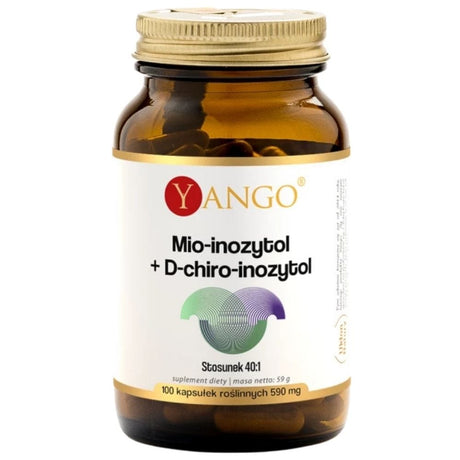
Yango
Yango Myo-Inositol + D- Chiro-Inositol - 100 Capsules
Regular price €11.39Unit price€0.11 each
Aliness
Aliness Inositol myo/D-chiro 650 mg + Vitamin B6 - 100 Capsules
Regular price €12.39Unit price€0.12 each


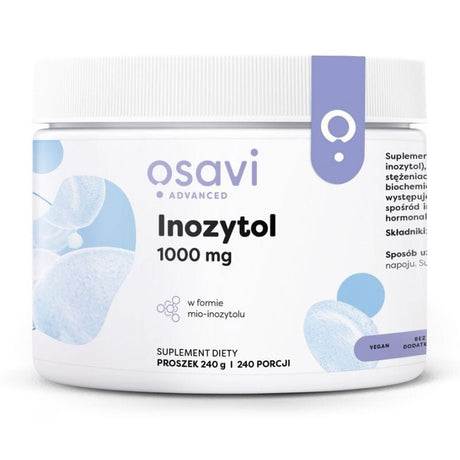


Life Extension
Life Extension Inositol 1000 mg - 360 Capsules
Regular price €74.49Unit price€0.21 each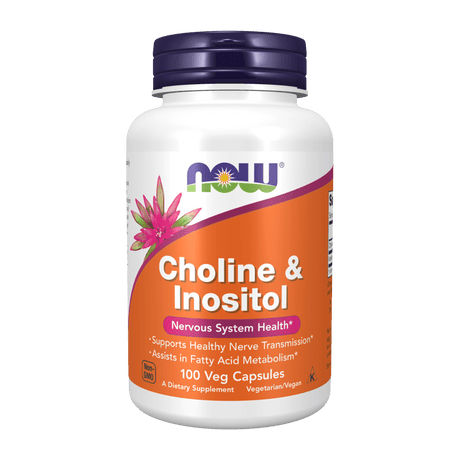

Swanson
Swanson Chirositol D-Chiro-Inositol 85 mg - 60 Capsules
Regular price €19.99Unit price€0.33 each


For broader support, explore our cardiovascular supplements collection for lipid metabolism support options.
This article is for information only and does not replace medical advice. If you have health concerns, are pregnant, breastfeeding or taking medication, consult a doctor or pharmacist. Dietary supplements are not a substitute for a varied diet.


