

Traditional and herbal teas are among the simplest and most accessible tools in natural health — valued not only for flavour, but for the genuine physiological effects that their botanical ingredients provide. Different herbs act on different body systems, which means that choosing the right tea for a given need is a more purposeful decision than it might appear. Here is a practical guide to matching herbal and traditional teas to your current health priorities.
Tea for Digestion
Digestive discomfort — bloating, gas, nausea, and heaviness after eating — is among the most common reasons people reach for herbal tea. Several plants have well-established effects on the digestive system. Peppermint stimulates the production of gastric juices and bile, accelerating the breakdown of food. It also relaxes the smooth muscle of the gastrointestinal tract, which helps relieve spasm and cramping. Fennel acts similarly on smooth muscle, specifically addressing the trapped gas and bloating associated with poor digestion. Nettle supports bile flow and metabolic function in the digestive tract, helping with sluggish digestion. Chamomile reduces intestinal inflammation and soothes irritated mucous membranes — particularly useful after rich meals or during periods of digestive sensitivity. Ginger is a powerful prokinetic: it accelerates gastric emptying and reduces nausea, including nausea from travel or morning sickness.
For everyday digestive support, purpose-blended digestive teas that combine several of these plants are both convenient and effective. You can find a wide selection in our tea and herbal collection.


Apotheke
Apotheke Bio Tea for Children's Digestion - 20 Sachets
Regular price €2.29Unit price€0.11 each


Apotheke
Apotheke Bio Tea for Children Linden, Elderflower, Chamomile - 20 Sachets
Regular price €2.59Unit price€0.13 each


Tea for Sleep and Relaxation
Conventional tea contains theine (tea caffeine), which makes it a poor choice in the hours before bed. Herbal teas with no true tea leaf content, on the other hand, can actively support the transition to sleep by reducing nervous system arousal and muscular tension.
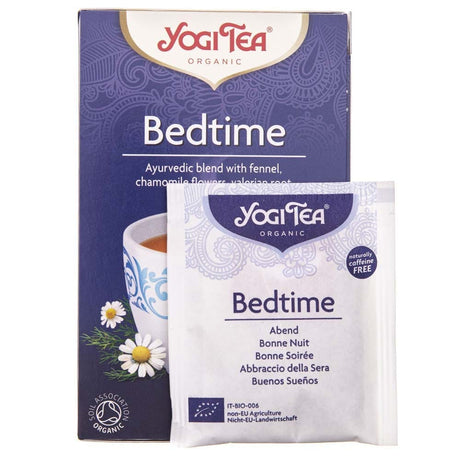
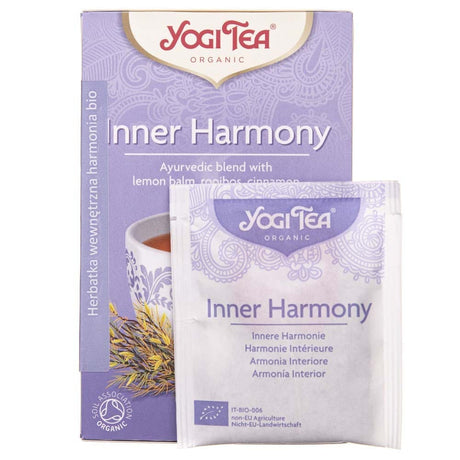
Lemon balm (Melissa officinalis) is one of the best-studied calming herbs. It contains rosmarinic acid and other compounds that inhibit the enzyme responsible for breaking down GABA — the brain's primary inhibitory neurotransmitter. In practical terms, it reduces mental agitation, anxiety, and irritability, and makes falling asleep easier. Linden blossom has a complementary effect: it reduces muscular tension and nervous excitability, and has mild diaphoretic properties that are also useful during colds. Valerian root (Valeriana officinalis) is the classic European sedative herb, widely used in over-the-counter sleep supplements; as a tea, its effects are gentler and non-habit-forming. Hops complement valerian and lemon balm, adding additional sedative activity through bitter compounds that act on the central nervous system. Chamomile provides mild anxiolytic and muscle-relaxing effects, making it broadly useful for both evening winding-down and occasional stress.
These herbs can be taken individually or in combination blends, many of which are specifically formulated for bedtime use. Our broader sleep support range covers both herbal teas and supplement-based sleep aids.




Apotheke
Apotheke Bio Tea for Children for Calming - 20 Sachets
Regular price €1.79Unit price€0.09 each


Tea for Immune Support and Colds
During upper respiratory infections, herbal teas serve two practical functions: maintaining hydration (which supports mucosal immunity and aids recovery) and delivering active botanical compounds directly to the mouth and throat. Linden blossom promotes perspiration, which helps the body clear toxins and may support faster fever resolution. It also has anti-inflammatory and mucosal-protective effects on the nose and throat. Chamomile tea taken at the onset of a cold provides anti-inflammatory and calming support, and the steam itself helps ease nasal congestion when inhaled during drinking. Ginger is warming and antimicrobial, and pairs particularly well with honey for sore throats. Elderflower has long been used to support respiratory mucosal defences and reduce cold duration. Black tea — particularly when enriched with wild rose hip (an outstanding natural source of vitamin C) or a spoonful of raw honey — is a classic home remedy with genuine antibacterial and immune-supporting properties. Green tea provides catechins with antioxidant and mild antiviral activity alongside a lower caffeine content than black tea.
For ongoing immune support beyond the cold season, functional herbal blends combining echinacea, elderberry, turmeric, and ginger are worth keeping in the cupboard. You can explore the full selection in our immune support range.

 5% off
Yogi Tea
Yogi Tea Immune Support - 17 sachets
Sale price €3.22 Regular price €3.39Unit price€0.19 each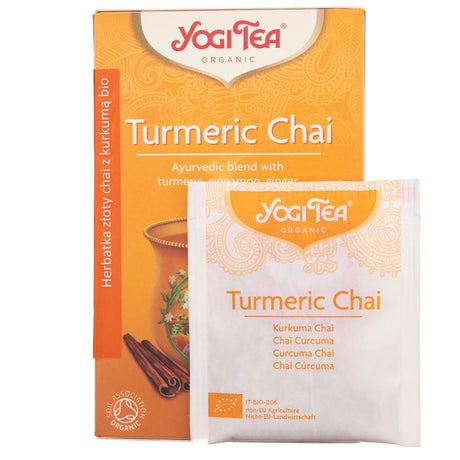


Tea for Weight Management
Herbal and traditional teas can meaningfully support weight management goals when used as calorie-free replacements for sweetened drinks and as part of a considered dietary approach. Green tea contains catechins — particularly EGCG — that may help moderate fat accumulation and slightly increase metabolic rate. Its caffeine content also supports energy availability during activity. Pu-erh (a fermented red Chinese tea) is traditionally associated with improved fat digestion and is often used after rich meals. Rooibos is a caffeine-free South African herbal infusion that may help moderate appetite and reduce oxidative stress. Peppermint tea supports digestion and reduces bloating, which makes it useful during any dietary change period when digestive discomfort is common. Dandelion and nettle teas support liver and kidney function, which are important for metabolic efficiency during weight loss. All of these teas are most effective when taken without added sugar.
Green Tea and Matcha: A Note on Quality
Not all green tea is equivalent. The Japanese green tea tradition places strong emphasis on growing conditions, shade cultivation, and processing method — variables that directly determine catechin content and flavour profile. Sencha is the most widely consumed Japanese green tea — grassy, slightly sweet, and balanced in catechin content. Matcha is powdered shade-grown tea that delivers the entire leaf in suspension rather than an infusion — providing significantly higher catechin and L-theanine content per serving, with a calmer, more sustained energy effect than coffee. Kukicha (twig tea) and Hojicha (roasted green tea) are lower in caffeine and have distinctive earthy, toasty flavours suited to afternoon and evening drinking. Bancha is a coarser harvest green tea — mild and accessible, lower in caffeine, suitable for all-day drinking.


This article is for information only and does not replace medical advice. If you have health concerns, are pregnant, breastfeeding or taking medication, consult a doctor or pharmacist. Dietary supplements are not a substitute for a varied diet.


