

Ashwagandha (Withania somnifera), also known as Indian ginseng or winter cherry, is one of the most important herbs in Ayurveda — the traditional medicine system that has been practised in India for over 3,000 years. It belongs to the Solanaceae (nightshade) family and grows as a woody shrub reaching up to 1.5 metres, with small greenish-yellow flowers and characteristic red berries. The medicinal parts are primarily the roots and, to a lesser extent, the leaves. Ashwagandha is classified as an adaptogen — a category of plant compounds considered to help the body regulate its response to physical and psychological stress. It is now one of the most widely sold botanical supplements globally, and clinical research into its effects has expanded substantially over the past two decades.
Active Compounds: What Makes Ashwagandha Work?
The primary bioactive compounds in ashwagandha are a group of steroidal lactones known as withanolides, along with alkaloids, saponins, phytosterols, and phenolic acids. Withanolides are largely responsible for the adaptogenic, anti-inflammatory, and neuroprotective properties attributed to the plant, and their concentration varies considerably between raw root powder and standardised extracts.
This variation is clinically meaningful. Standardised ashwagandha extracts — most notably KSM-66 (standardised to ≥5% withanolides from root only) and Sensoril (a root and leaf extract) — have been used in the majority of published human clinical trials and are generally considered to provide more consistent, research-backed effects than non-standardised root powder. When choosing an ashwagandha supplement, the extract type and withanolide standardisation level matter. Explore our herbs and botanical supplements collection to browse available ashwagandha formats.
Stress, Anxiety, and Adaptogenic Effects
The most robustly researched application of ashwagandha is its effect on stress perception and cortisol regulation. Multiple randomised controlled trials in adults under chronic stress have found that ashwagandha supplementation (typically 300–600 mg/day of a standardised extract over 8–12 weeks) significantly reduced self-reported stress and anxiety scores, and in several trials measurably lowered serum cortisol levels compared to placebo.
The proposed mechanisms involve ashwagandha's effects on the hypothalamic-pituitary-adrenal (HPA) axis — the central stress response system — as well as GABAergic activity in the brain, which contributes to its calming properties. These findings give ashwagandha meaningful credibility as a supplement for supporting psychological resilience during demanding periods, though it should not be considered a substitute for clinical treatment of anxiety disorders. Our brain and cognitive supplements collection offers ashwagandha alongside other products relevant to mental performance and stress management.
Sleep Quality
Several clinical trials have specifically examined ashwagandha's effects on sleep, with results that are notably positive relative to placebo. Studies using standardised extracts (particularly KSM-66 and a triethylene glycol-enriched root extract) have reported improvements in sleep onset latency, sleep quality scores, and morning alertness in participants with self-reported sleep difficulties. The sedating properties are consistent with the plant's species name — somnifera, derived from Latin for "sleep-inducing." This makes ashwagandha one of the better-evidenced botanical options for those seeking natural support for sleep quality without pharmaceutical sedation.
Physical Performance and Recovery
Ashwagandha has been studied in athletic populations with consistently encouraging results. Randomised trials in resistance-trained adults have found significant improvements in muscle strength, muscle recovery time, and cardiorespiratory endurance compared to placebo over 8–12 weeks of supplementation. Some trials have also reported favourable effects on testosterone levels and body composition in men, though results vary across studies.
The likely mechanisms include ashwagandha's anti-inflammatory and antioxidant effects (reducing exercise-induced oxidative stress and muscle damage), cortisol attenuation (supporting anabolic hormone balance), and potential direct effects on ATP production pathways. These properties make ashwagandha particularly relevant for those who combine regular training with high life stress — a context where elevated cortisol can actively impair recovery and adaptation. Explore our energy supplements collection for further relevant products for active individuals.
Cognitive Function and Neuroprotection
Ashwagandha has a long history of use in Ayurvedic medicine specifically for brain health and cognitive function (medhya rasayana — brain-rejuvenating herbs). Contemporary research has examined these claims, with clinical trials finding improvements in measures of memory, attention, information processing speed, and executive function in healthy adults following ashwagandha supplementation. Animal studies have investigated withanolides' potential to inhibit the formation and aggregation of amyloid-beta plaques and tau protein tangles — markers associated with neurodegenerative pathology — though translating these findings to human recommendations requires considerably more research.
Hormonal and Reproductive Health
Ashwagandha has been studied for its effects on thyroid function, reproductive hormones, and fertility. Regarding thyroid: research suggests ashwagandha may support thyroid hormone production and normalisation of TSH levels in individuals with subclinical hypothyroidism. This is clinically significant — it means ashwagandha can influence thyroid function, which is of genuine relevance to anyone already taking thyroid medication. Several case reports exist of ashwagandha exacerbating hyperthyroidism, and it should be used with caution by anyone with thyroid conditions.
In men, clinical trials have shown improvements in testosterone levels, sperm quality, and fertility parameters following ashwagandha supplementation. Formulations specifically designed for women (lower-dose root extracts) have also been studied for effects on sexual function and menopausal symptom relief.
Choosing an Ashwagandha Supplement
The most important distinction in the ashwagandha market is between standardised root extracts (with defined withanolide content, typically 5–10%) and non-standardised root powder. The clinical trial evidence base is built almost entirely on standardised extracts, particularly KSM-66 and similar products. Non-standardised root powder is not inherently without value, but its withanolide content is less predictable.
Doses used in clinical research typically range from 300 mg to 600 mg per day of a standardised extract, often taken in a single dose or split between morning and evening. Effects are cumulative and generally require consistent supplementation over 4–12 weeks to become fully apparent. Ashwagandha can be taken with or without food, though some individuals find it gentler on the stomach with a meal.
KSM-66 and standardised extract formulations:
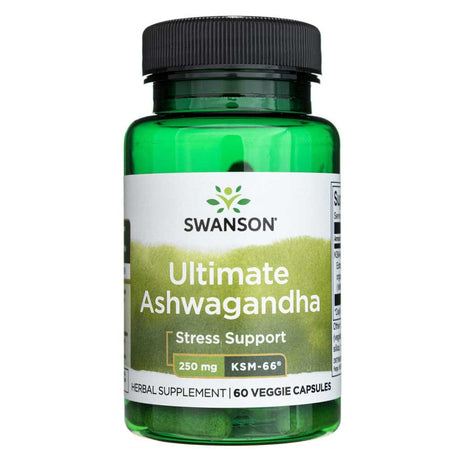


Swanson
Swanson Ultimate Ashwagandha KSM-66 250 mg - 60 Veg Capsules
Regular price €8.79Unit price€0.15 each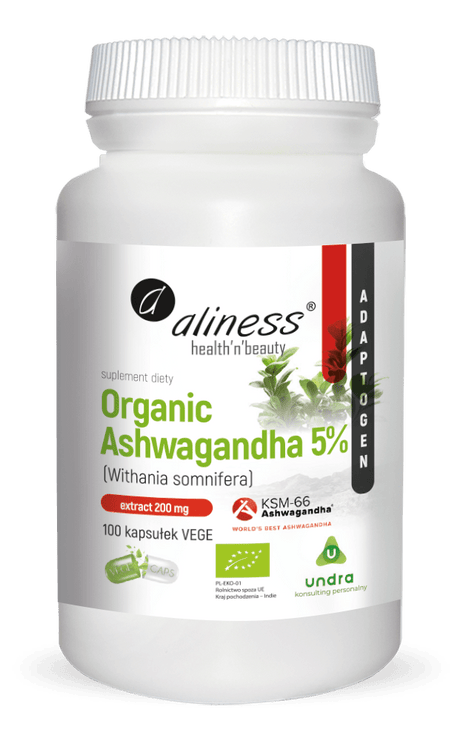
Aliness
Allines Organic Ashwagandha 5% KSM-66 200 mg - 100 Capsules
Regular price €13.49Unit price€0.13 each

Life Extension
Life Extension Optimized Ashwagandha Extract - 60 Veg Capsules
Regular price €13.49Unit price€0.22 each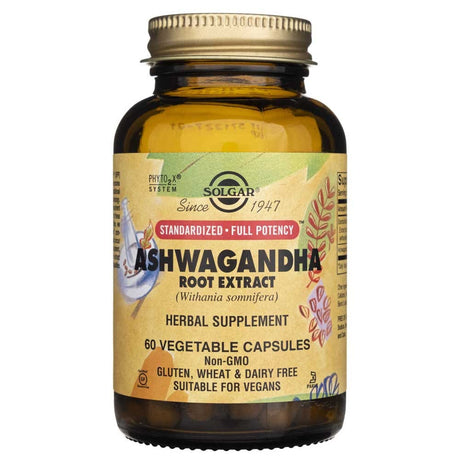


Solgar
Solgar SFP Ashwagandha Root Extract - 60 Veg Capsules
Regular price €25.49Unit price€0.42 each


Jarrow Formulas
Jarrow Formulas Ashwagandha 300 mg - 120 Veg Capsules
Regular price €26.79Unit price€0.22 each


Standard and broad-spectrum ashwagandha options:




This article is for information only and does not replace medical advice. If you have health concerns, are pregnant, breastfeeding or taking medication, consult a doctor or pharmacist. Dietary supplements are not a substitute for a varied diet.


