

Valentine's Day is a single day in February. The relationship you're in — or the one you want to build — runs all year round. Research on long-term relationship satisfaction consistently points to the same factors: consistent small gestures over time, shared rituals, emotional availability, and the individual wellbeing of each person. None of those require a special date. What they do require is intention. Here's how wellness practices and daily habits can support both your inner life and your connections with others.
The Science of Small Gestures
Relationship researchers have long noted that relationship quality is shaped more by accumulated small interactions than by occasional grand gestures. A morning message, making coffee for someone without being asked, putting down your phone during a conversation — these accumulate into something significant over months and years. The neurological basis is well-established: consistent positive social interactions support oxytocin release, which is directly involved in bonding, trust, and a sense of security.
This isn't a reason to stop celebrating Valentine's Day — it's a reason to see it as one data point in a much longer pattern of behaviour. The question is what habits you're building the other 364 days of the year.
Your Own Wellbeing Is Part of the Relationship
One of the more counterintuitive findings in relationship research is that individual wellbeing — sleep quality, stress load, physical health — has a direct effect on relationship quality. A person who is chronically sleep-deprived or operating under sustained stress has reduced capacity for emotional regulation, empathy, and patience. These aren't character flaws; they're physiological states.
This means that taking care of your own nervous system is genuinely relational work. It's not self-indulgent to prioritise sleep, manage stress, and support your mood — it directly affects the quality of your presence with people you care about.
Magnesium and Stress Response
Magnesium is involved in regulating the HPA axis, the body's central stress-response system. It contributes to normal psychological function and the reduction of tiredness and fatigue. Chronic stress depletes magnesium stores, which in turn makes the stress response harder to regulate — a feedback loop worth interrupting. Magnesium bisglycinate and magnesium citrate are both well-absorbed forms. Magnesium with B6 is a popular combination since B6 supports normal psychological function independently and enhances magnesium uptake.
Adaptogens for Sustained Resilience
Ashwagandha (particularly standardised KSM-66 extract) is one of the most studied adaptogens for stress resilience, with evidence supporting its role in reducing perceived stress and supporting sleep quality with consistent use. Rhodiola rosea contributes to normal mental performance and may help reduce tiredness in periods of high demand. These work gradually over weeks rather than acutely — which makes them suited to building a baseline of resilience rather than crisis management.
L-Theanine for Calm Focus
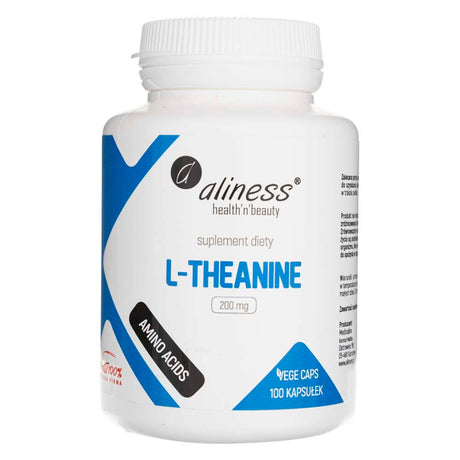
L-theanine is an amino acid found naturally in green tea, associated with promoting relaxed alertness without sedation. It's often taken during demanding daytime periods — presentations, difficult conversations, high-stakes work — where you want to remain calm without losing clarity. At 200 mg, it's one of the more immediately noticeable supplements in this category.
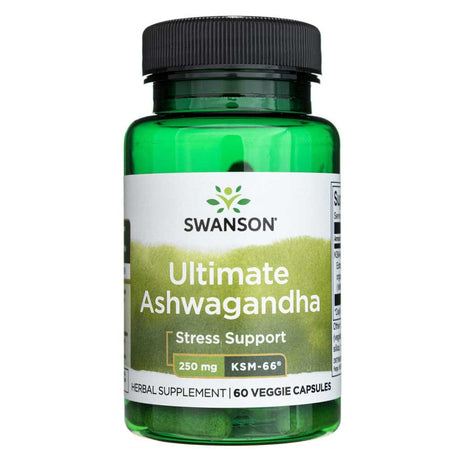


Swanson
Swanson Ultimate Ashwagandha KSM-66 250 mg - 60 Veg Capsules
Regular price €8.79Unit price€0.15 each




Doctor's Best
Doctor's Best High Absorption Magnesium 100 mg - 240 Tablets
Regular price €27.79Unit price€0.12 each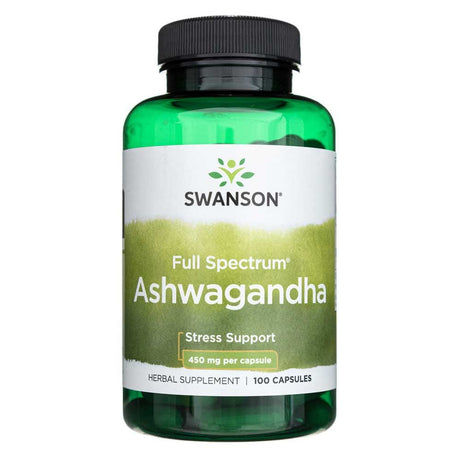


Swanson
Swanson Full Spectrum Ashwagandha 450 mg - 100 Capsules
Regular price €5.19Unit price€0.05 each


Sleep: The Foundation Everything Else Rests On
Sleep deprivation has a measurable negative effect on emotional reactivity — specifically, it amplifies responses to negative stimuli while dulling responses to positive ones. In practice, this means that chronic poor sleep makes you more likely to react sharply to friction and less likely to notice and appreciate the good things happening around you. For relationships, this is significant.
Sleep hygiene — consistent sleep and wake times, reduced light exposure in the evening, a cooler room — is the non-negotiable foundation. Supplements can support this but don't replace it. Melatonin in low doses (0.5–1 mg, taken 30–60 minutes before the intended sleep time) may help with sleep onset, particularly if your schedule is irregular or you're adjusting to time zone differences. For those who struggle with winding down mentally, valerian root and L-tryptophan (a serotonin precursor) are traditionally used options. Explore our full sleep supplements collection for the complete range.
Creating Atmosphere Together: Aromatherapy as a Shared Ritual
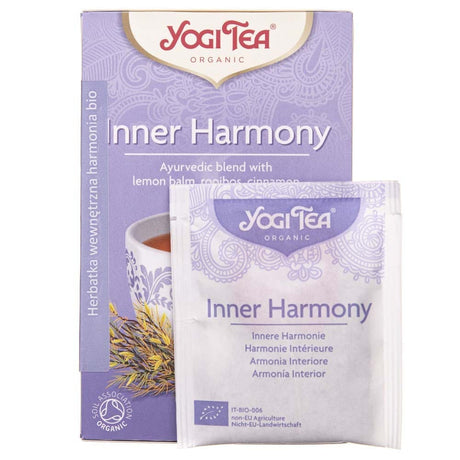
Shared rituals — activities you do together regularly, even small ones — are a consistent predictor of relationship quality across cultures. They don't need to be elaborate. A specific tea you make together in the evening, a diffuser running during a particular part of the day, a walk you take on the same route — repetition and shared sensory experience are what matter.
Aromatherapy offers a simple, low-effort way to create a distinctive home atmosphere. Lavender is the most researched essential oil for relaxation and sleep support; bergamot and sweet orange are mood-lifting; ylang-ylang and rose wood have warm, sensual characters traditionally associated with intimacy. A diffuser running in the evenings with a consistent oil or blend creates a conditioned association — that smell begins to signal "this is time to relax" — which is a small but real contribution to a calm home environment.
Browse our essential oil singles for single oils, or our aromatherapy collection for sets and diffusers.




What February 14th Is Actually Good For
All of the above doesn't make Valentine's Day irrelevant — it makes it more useful. A fixed date on the calendar is a prompt to do something intentional: to say something you've been meaning to say, to plan an evening you've been putting off, to give a gift that reflects genuine attention to what someone needs or would enjoy. The problem isn't Valentine's Day; it's treating it as the only occasion for that kind of intentionality.
Use the day. Then build the habits that make every other day count too.
This article is for information only and does not replace medical advice. If you have health concerns, are pregnant, breastfeeding or taking medication, consult a doctor or pharmacist. Dietary supplements are not a substitute for a varied diet.


