

A feeding bottle is one of the very first items on every new parent's shopping list. Whether you are breastfeeding, formula feeding, or combining both, a good bottle is indispensable from day one. Breastfeeding mothers need bottles when expressing milk and handing care to a partner or carer; formula-feeding parents rely on them for every single feed. Bottles are also used to offer water, herbal teas, and juice as the baby grows. But with so many options on the market, choosing the right bottle — and understanding what actually makes one better than another — can be genuinely overwhelming. This guide covers everything you need to know.
What Makes a Good Baby Bottle?
The most important criterion is safety. A baby bottle must be made from materials that do not leach harmful substances — particularly BPA (bisphenol A) and related compounds — during washing, sterilisation, or contact with warm liquids. All reputable baby bottles sold in the EU are BPA-free, but parents should also be aware of related compounds (BPS, BPF) when evaluating plastic options. Glass bottles are the safest material of all — inert, non-leaching, easy to sterilise, and long-lasting — though they are heavier and require a protective sleeve to reduce breakage risk. High-quality plastic bottles made from PPSU (polyphenylsulfone) or Tritan are the next best option.
Beyond material, the teat design is the single most important functional feature. A good teat should closely mimic the shape and feel of the breast — wide at the base, slow-flowing (especially for newborns), and flexible enough for the baby to latch naturally. For parents combining bottle and breastfeeding, a breast-shaped teat with responsive flow that requires active sucking effort reduces the risk of nipple confusion. Anti-colic systems are another key consideration: venting systems that reduce the amount of air swallowed during feeding can significantly decrease the frequency of colic, gas, and spit-up. For a full selection of feeding accessories, explore our feeding accessories collection.
Choosing the Right Size
Bottle size should be matched to the baby's age and feeding volume. For newborns, a 120–125 ml bottle is typically sufficient, as newborn feeds are small and frequent. From around one month, a 260 ml bottle covers most feeds. From six months onwards, a 330 ml bottle accommodates the increased volumes older babies need. Having several bottles of different sizes is practical — a smaller bottle is more convenient for night feeds and for carrying out, while a larger bottle suits daytime feeds. It is also worth checking whether a chosen bottle is compatible with your steriliser and bottle warmer before purchasing, as dimensions vary between brands.
Philips Avent: The Most Complete Range
Philips Avent is one of the most trusted names in infant feeding and offers the most comprehensive bottle range available at Medpak. Their Natural Response range features a breast-shaped teat that only flows when the baby actively sucks — mimicking the way milk flows at the breast and making the transition between bottle and breastfeeding significantly smoother. The AirFree anti-colic valve keeps the teat full of milk at any feeding angle (including near-horizontal), minimising air ingestion and reducing the risk of colic, wind, and spit-up. Both plastic and glass versions are available. Explore the full Philips Avent feeding range in our breastfeeding and feeding collection.


Philips
Philips Avent Responsive Natural Bottle with AirFree Anti-Colic Valve - 125 ml
Regular price €9.69Unit price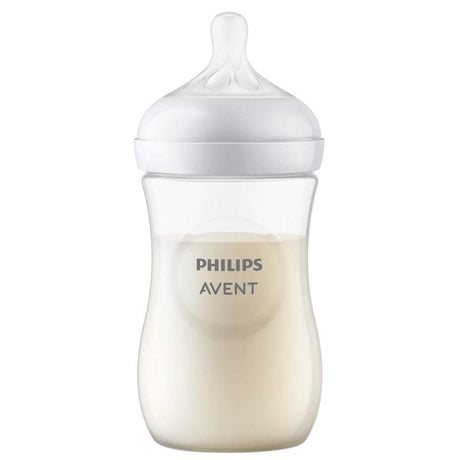


Philips
Philips Avent Responsive Natural Bottle with AirFree Anti-Colic Valve, Natural - 260 ml
Regular price €10.29Unit price


 6% off
Philips
Philips Avent Anti-Colic Bottle 0 m+ - 125 ml
Sale price €6.49 Regular price €6.89Unit price


 5% off
Philips
Philips Avent Anti-Colic Bottle 1 m+ - 260 ml
Sale price €7.19 Regular price €7.59Unit price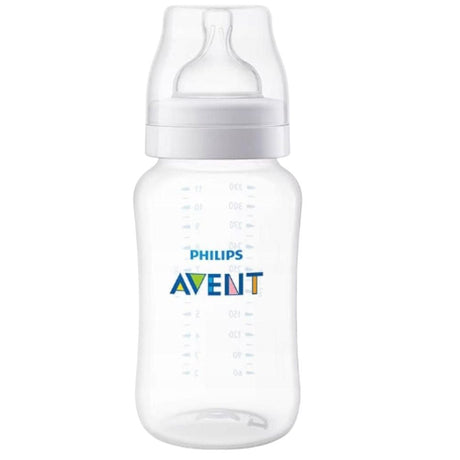
 6% off
Philips
Philips Avent Anti-Colic Bottle 3 m+ - 330 ml
Sale price €7.89 Regular price €8.39Unit price


Philips
Philips Avent Philips Avent Responsive Natural, Glass Baby Bottle - 120 ml
Regular price €11.19Unit price


Philips
Philips Avent Philips Avent Responsive Natural, Glass Baby Bottle - 240 ml
Regular price €12.89Unit price


Starter Sets and Accessories
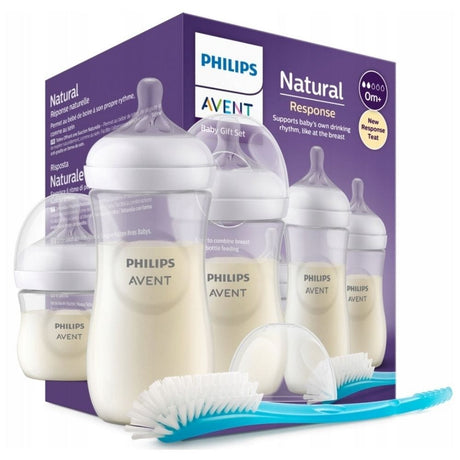
For new parents equipping the nursery from scratch, bottle starter sets offer the most practical and cost-effective entry point. A set typically includes bottles of different sizes alongside teats and a brush — everything needed for the first weeks. A good bottle brush with a teat cleaner attachment is essential for thorough hygiene between sterilisation cycles. A dedicated bottle warmer that heats milk gently and evenly (without hot spots) is one of the most practically useful baby items you can own. For parents planning to build a full Philips Avent ecosystem — bottles, steriliser, and warmer — it is worth knowing that the brand's accessories are fully cross-compatible within the range.


 5% off
Philips
Philips Avent Baby Gift Bottle Set - 3 Bottles + Brush
Sale price €30.19 Regular price €31.79Unit price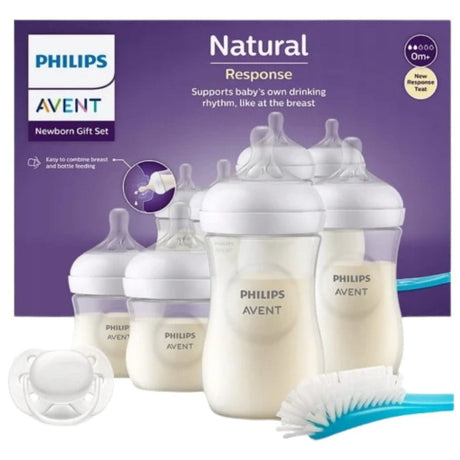


 5% off
Philips
Philips Avent Baby Gift Bottle Set - 4 Bottles + Pacifier + Brush
Sale price €36.69 Regular price €38.69Unit price


Keeping Bottles Clean
Thorough cleaning between every use is non-negotiable. Milk residue — whether breast milk or formula — provides an ideal environment for bacterial growth. Wash bottles immediately after feeding with warm, soapy water and a dedicated bottle brush, then sterilise. Sterilisation is recommended for all feeding equipment for the first twelve months of the baby's life. Steam sterilisation (either electric or microwave) is the fastest and most reliable method. A specialist bottle and soother cleanser — free from harsh detergents and rinse-aid residues — is the safest choice for daily washing. Explore our full range of children's hygiene products for everything you need to keep feeding equipment clean and safe.
This article is for information only and does not replace medical advice. If you have health concerns, are pregnant, breastfeeding or taking medication, consult a doctor or pharmacist. Dietary supplements are not a substitute for a varied diet.


