

Berberine is still a relatively unfamiliar compound to many people, despite its growing presence on the supplement market. It is extracted primarily from common barberry (Berberis vulgaris) — a shrub growing up to two metres tall, found in fields, forest edges, and hillsides across much of Europe — as well as from goldenseal, goldthread, and Oregon grape. The effects of berberine are extensive and well-studied: while it is often sought for weight management, its documented actions on blood glucose, lipid metabolism, and cardiovascular health make it one of the more clinically interesting compounds in the natural supplement category. What berberine can and cannot do, and when it warrants caution, is worth understanding clearly before supplementing.
What Is Berberine?
Berberine is a naturally occurring isoquinoline alkaloid — a yellow-coloured, bitter-tasting compound found in the roots, bark, and stems of several medicinal plants. It has been used in traditional Chinese and Ayurvedic medicine for centuries, primarily for gastrointestinal conditions, infections, and inflammation. Its mechanism of action in modern research centres on its ability to activate AMP-activated protein kinase (AMPK) — an enzyme sometimes called the "metabolic master switch" — which regulates glucose uptake, fatty acid oxidation, and energy homeostasis at the cellular level. This single mechanism underpins most of berberine's documented effects. Browse our dedicated herbal supplements collection for berberine and related plant extracts.
Berberine and Blood Glucose: The Most Studied Effect
The most extensively researched application of berberine is its effect on blood glucose regulation. Multiple clinical trials have demonstrated that berberine can meaningfully reduce fasting blood glucose levels and improve insulin sensitivity in people with type 2 diabetes or insulin resistance. Its effects are achieved through several complementary pathways: it promotes glucose uptake by cells, reduces glucose production in the liver (hepatic gluconeogenesis), and increases the expression of insulin receptors, improving the body's response to the insulin it produces.
Research has directly compared berberine to metformin — the most widely prescribed first-line drug for type 2 diabetes — and found broadly similar reductions in fasting glucose and HbA1c over 3-month periods in some studies. This comparison appears frequently in berberine marketing and is scientifically grounded, though it comes with important caveats: berberine is a supplement, not a medicine; it has not undergone the clinical trial requirements of pharmaceutical approval; and it should never be used as a substitute for prescribed diabetes treatment without medical supervision.
Berberine for Cholesterol and Cardiovascular Health
Berberine has shown consistent effects on lipid profiles across multiple studies. It reduces total cholesterol, LDL cholesterol, and triglycerides, while modestly increasing HDL cholesterol. One mechanism involves the inhibition of PCSK9 — a protein that regulates LDL receptor degradation; by inhibiting it, berberine allows more LDL cholesterol to be removed from the bloodstream, similar in principle to a class of newer cholesterol-lowering drugs. It also reduces platelet aggregation and may have mild blood pressure-lowering effects. Our cardiovascular supplements collection includes berberine alongside other evidence-based options for heart health support.
Berberine and Weight Management
Berberine's effects on weight are real but moderate, and they are inseparable from its metabolic mechanisms. By activating AMPK, it increases the rate at which the body oxidises fatty acids for fuel and reduces fat storage signalling. It also influences the secretion of leptin, insulin, and adiponectin — hormones involved in hunger, satiety, and fat metabolism. In clinical studies, berberine has been associated with reductions in body weight, body mass index, and waist circumference, particularly in people with metabolic syndrome or insulin resistance, where these effects are most pronounced.
Berberine is not a stimulant and does not suppress appetite through central nervous system pathways the way some weight loss compounds do. Its weight-related benefits work through metabolic normalisation rather than direct fat-burning stimulation. It is best understood as a metabolic support tool rather than a standalone weight loss solution. Explore our weight management collection for a broader range of options.
Digestive and Gut Health Effects
Berberine has a long traditional use for gastrointestinal conditions, and modern research offers some mechanistic support. It influences the intestinal epithelial barrier — the tight junction proteins that regulate what passes from the gut into the bloodstream — which may have implications for gut permeability and immune function. It also has antimicrobial properties and has been studied for its effects on gut microbiome composition, reducing populations of certain anaerobic bacteria that are associated with metabolic dysfunction. It may be useful in supporting digestive comfort, particularly in the context of conditions involving dysbiosis. Our digestive system collection includes berberine alongside probiotic and prebiotic options.
Cognitive and Neuroprotective Potential
Less widely discussed but supported by early-stage research, berberine has shown neuroprotective properties in laboratory and animal studies. It has been found to improve neuronal function, stimulate the formation of new neurons (neurogenesis), and protect nerve cells from ischaemic damage. Its anti-inflammatory effects in neural tissue may also be relevant. While this evidence base is less developed than its metabolic applications, it adds further dimension to berberine's broad biological activity. These effects are relevant to note but should be understood as promising rather than established at the clinical level.
Forms of Berberine: HCL vs. Sulphate vs. Extracts
Berberine is available in several forms, each with differences in purity, standardisation, and bioavailability:
- Berberine HCL — the hydrochloride salt form, the most common in clinical research and the most widely available in standardised supplements. Dosages are precise and reproducible
- Berberine sulphate — an alternative salt form, similarly bioactive; used in some European supplement formulations
- Plant extracts (Berberis extract) — standardised root or bark extracts; potency depends on the percentage of berberine alkaloids, typically expressed as 95%+ standardisation
- Combination formulas — berberine is often paired with complementary compounds such as cinnamon, gymnema, or curcumin, which may enhance its effects on glucose metabolism through related pathways
Berberine has relatively low oral bioavailability (approximately 0.5–5%), which improves when taken with food — particularly meals containing fat. Taking it in divided doses two to three times daily with meals is both the standard research approach and the most practical for maintaining stable plasma levels.
Dosage Guidance
Most clinical studies on berberine have used doses in the following ranges:
- 300–500 mg per day — typically used for general metabolic support and blood glucose maintenance
- 900–1000 mg per day (divided into 2–3 doses) — most commonly studied range for cholesterol reduction and glucose management in type 2 diabetes research
- 1500 mg per day — used in some glucose-lowering studies; represents the upper end of common supplemental dosing
Individual products vary in berberine content per capsule — always follow the label guidance for the specific formulation. Starting with a lower dose and building up gradually may reduce the risk of gastrointestinal side effects, which are the most frequently reported adverse effect of berberine supplementation.
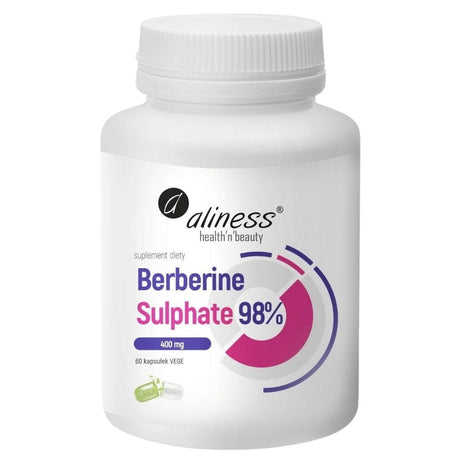
Aliness
Aliness Berberine Sulphate 98% 400 mg - 60 Capsules
Regular price €16.59Unit price€0.28 each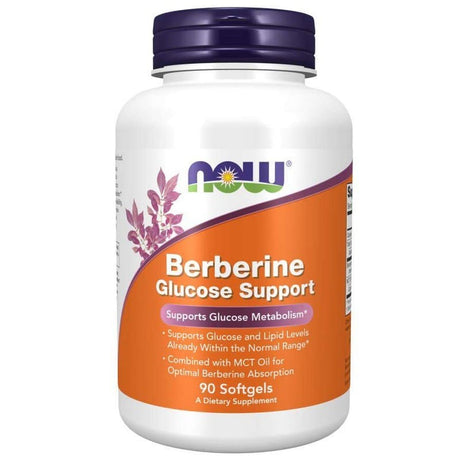
Now Foods
Now Foods Berberine Glucose Support - 90 Capsules
Regular price €32.09Unit price€0.36 each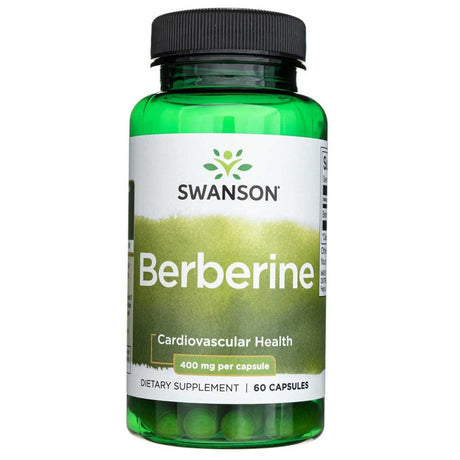


 10% off
Vitaler's
Vitaler's Berberine (Barberry) 400 mg - 60 Capsules
Sale price €8.99 Regular price €9.99Unit price€0.15 each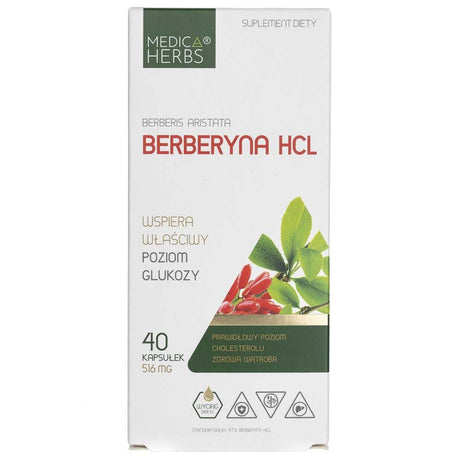


Medica Herbs
Medica Herbs Berberine HCL 500 mg - 40 Capsules
Regular price €8.79Unit price€0.22 each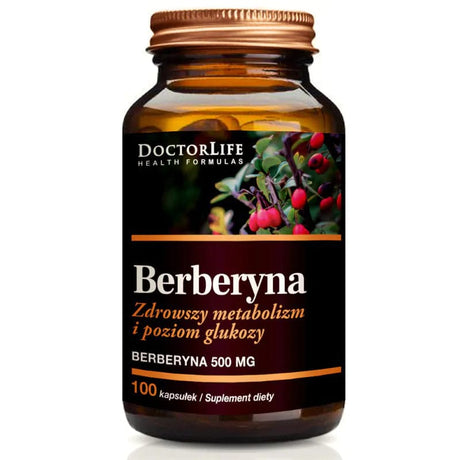
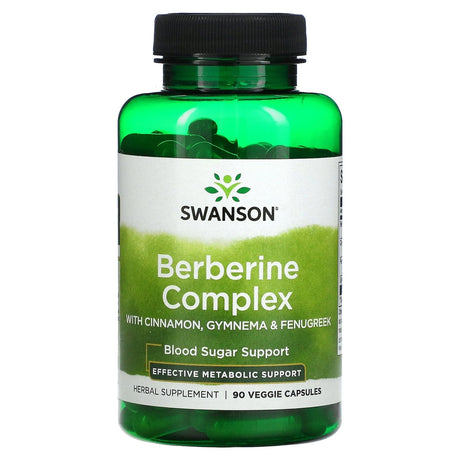
Swanson
Swanson Berberine Complex with Cinnamon, Gymnema & Fenugreek - 90 Veg Capsules
Regular price €15.99Unit price€0.18 each


This article is for information only and does not replace medical advice. If you have health concerns, are pregnant, breastfeeding or taking medication, consult a doctor or pharmacist. Dietary supplements are not a substitute for a varied diet.


