

Free radicals are an unavoidable byproduct of living. Every time your body converts oxygen into energy, unstable molecules are produced that can damage cell membranes, DNA, and proteins. External factors — cigarette smoke, UV radiation, air pollution, fried or grilled foods, chronic stress — accelerate this process dramatically. The body's answer to this constant threat is antioxidants: compounds that neutralise free radicals before they cause lasting damage. Understanding what antioxidants are, where to find them, and when to supplement them is one of the most practical things you can do for long-term health.
What Are Antioxidants and How Do They Work?
Antioxidants — also called anti-oxidants or free radical scavengers — are a broad group of chemical compounds whose common function is to neutralise free radicals by donating an electron to unstable oxygen molecules, rendering them chemically inert and allowing them to be safely eliminated from the body. The underlying problem they address is known as oxidative stress: a state of imbalance in which free radical production outpaces the body's antioxidant defences.
Prolonged oxidative stress damages cell structures and contributes to the development of cardiovascular disease, type 2 diabetes, neurodegenerative conditions, accelerated skin ageing, and certain cancers. By maintaining adequate antioxidant intake — through diet and targeted supplementation — you support your body's ability to control this damage and protect healthy tissue. Explore our dedicated antioxidant supplements collection for a full overview of available options.
The Main Types of Antioxidants
Antioxidants fall into two broad categories: natural and synthetic. Natural antioxidants are the ones relevant to supplementation and dietary choices. They include:
- Vitamins — primarily vitamins C, E, and A (as beta-carotene)
- Minerals — selenium, zinc, manganese, and copper, which act as cofactors for antioxidant enzymes
- Polyphenols — including flavonoids, quercetin, and resveratrol, found abundantly in plant foods
- Carotenoids — beta-carotene, lycopene, lutein, zeaxanthin, and astaxanthin
- Endogenous antioxidants — glutathione, coenzyme Q10, and alpha-lipoic acid, produced by the body but available as supplements
- NAC (N-acetyl cysteine) — a precursor to glutathione, the body's master antioxidant
Key Antioxidant Vitamins and Minerals
Vitamin C is water-soluble, which means excess is excreted rather than stored, making toxicity unlikely. It is one of the most extensively studied antioxidants, with well-established roles in immune function and collagen synthesis. Good dietary sources include citrus fruits, peppers, cabbage, and strawberries — though supplementation is often warranted given how quickly vitamin C is depleted by stress and illness. Our vitamin C collection offers a range of doses and formats including liposomal, buffered, and chewable options.
Vitamin E is fat-soluble and works specifically within lipid membranes, protecting them from oxidative damage. It is found in nuts, eggs, and vegetable oils. Vitamin A — produced from beta-carotene — is another fat-soluble antioxidant that supports eye health, skin integrity, and immune defence. Unlike preformed vitamin A (retinol), beta-carotene is converted by the body only as needed, making it a safer supplemental form. Selenium is a trace mineral essential for the activity of glutathione peroxidase, one of the body's primary antioxidant enzymes. Even mild selenium deficiency can compromise antioxidant capacity significantly.


Now Foods
Now Foods Vitamin C-1000 with Rose Hips & Bioflavonoids - 100 Tablets
Regular price €9.79Unit price€0.10 each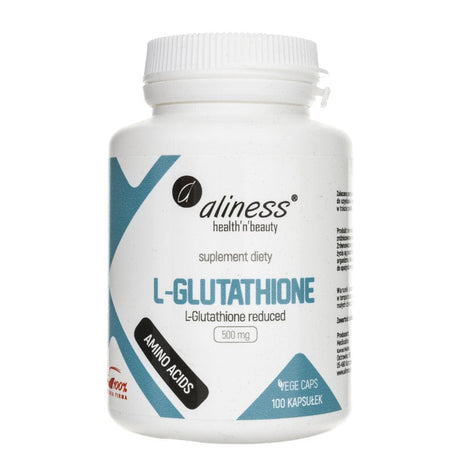


Aliness
Aliness L-Glutathione reduced 500 mg - 100 Veg Capsules
Regular price €25.59Unit price€0.26 each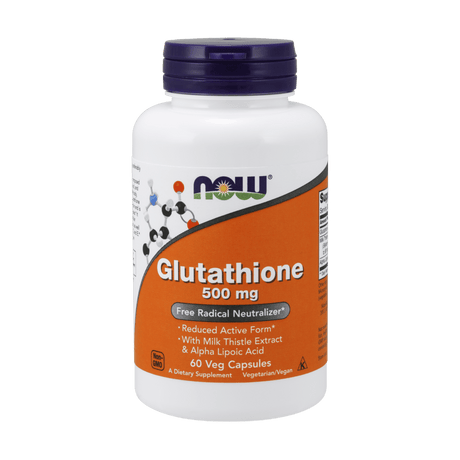


Polyphenols, Carotenoids and Advanced Antioxidants
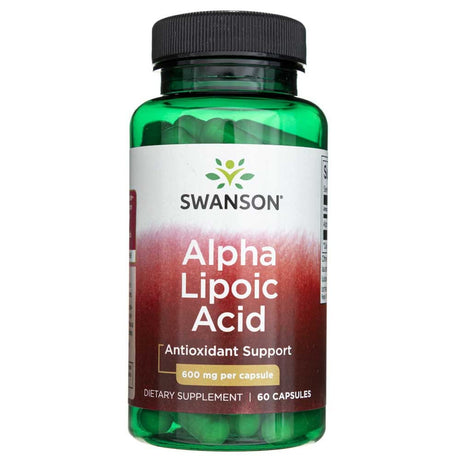
Quercetin is one of the most abundant dietary flavonoids, found in onions, capers, and apples. Research suggests it has anti-inflammatory and antiviral properties in addition to its antioxidant activity. Resveratrol, concentrated in red grape skins and red wine, has been extensively studied for its potential to activate longevity-associated pathways in the body. Astaxanthin — a ketocarotenoid produced by microalgae — is considered one of the most potent antioxidants in nature, with an oxygen radical absorbance capacity (ORAC) far exceeding that of most vitamins. Alpha-lipoic acid is unique in that it is both water- and fat-soluble, allowing it to function in virtually every tissue in the body. It also regenerates other antioxidants — including vitamins C and E — after they have been oxidised. Pycnogenol, a standardised extract of French maritime pine bark, is rich in procyanidins and has been studied for cardiovascular, skin, and cognitive health applications. Find all of these in our vitamins and supplements collection.
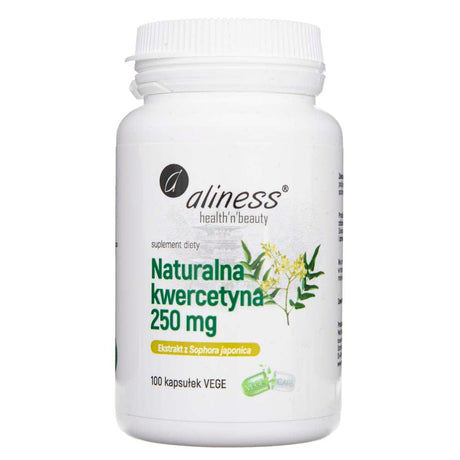


Aliness
Aliness Natural Quercetin 250 mg - 100 Veg Capsules
Regular price €15.79Unit price€0.16 each






Now Foods
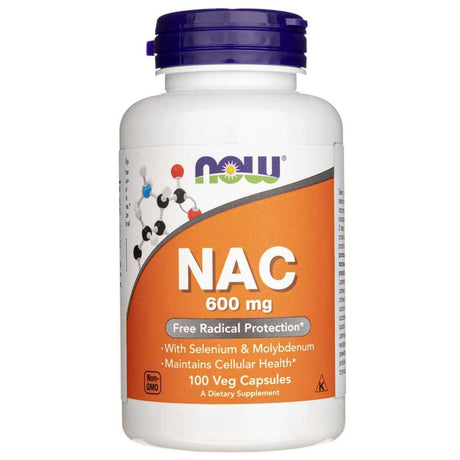
Now Foods NAC N-Acetyl Cysteine 600 mg - 100 Veg Capsules
Regular price €14.59Unit price€0.15 each


Where to Find Antioxidants in Food
Gram for gram, dried spices have the highest antioxidant content of any food category — oregano, thyme, cinnamon, turmeric, and cloves are particularly rich. Among fruits, deeply coloured varieties tend to contain the most polyphenols: aronia (chokeberry), elderberry, blackberries, and bilberries are standouts. Red wine, dark chocolate, green tea, and walnuts are the most familiar dietary sources for European consumers. Among vegetables, beetroot, red cabbage, broccoli, spinach, and kidney beans are strong contributors. A diverse, plant-heavy diet remains the best foundation — supplements fill in the gaps where dietary intake falls short.
When Should You Take Antioxidant Supplements?
The clearest indicators that antioxidant supplementation may be beneficial include persistent fatigue, frequent infections, headaches, joint pain, skin inflammation, and poor wound healing — all potential signs of elevated oxidative stress. A blood test measuring oxidative stress markers and antioxidant capacity can provide more objective guidance. People who smoke, live in polluted environments, exercise intensively, or follow a restricted diet are at higher risk of antioxidant depletion and stand to benefit most from supplementation. Skin-focused antioxidants — particularly vitamins C and E, CoQ10, and astaxanthin — are relevant from around age 25, when collagen synthesis begins to slow and UV-induced oxidative damage starts to accumulate in skin tissue.
This article is for information only and does not replace medical advice. If you have health concerns, are pregnant, breastfeeding or taking medication, consult a doctor or pharmacist. Dietary supplements are not a substitute for a varied diet.


