

Riboflavin — vitamin B2 — is a water-soluble B vitamin that serves as the precursor to two critically important coenzymes: flavin mononucleotide (FMN) and flavin adenine dinucleotide (FAD). These coenzymes participate in over 100 enzymatic reactions in the body, making riboflavin one of the most widely active vitamins at the biochemical level. Despite this, it receives relatively little attention compared to more prominent B vitamins like B12 or folate. This guide covers what riboflavin does, where to find it, what deficiency looks like, and when supplementation is worth considering — including its research-backed role in migraine prevention.
What Riboflavin Does in the Body
As the core of FMN and FAD, riboflavin is indispensable to cellular energy metabolism. It participates in the electron transport chain — the central mechanism by which cells convert nutrients into ATP — and is required for the metabolism of all three macronutrients: carbohydrates, fats, and proteins. This foundational role in energy production explains why riboflavin deficiency affects so many different body systems simultaneously.
Beyond energy metabolism, riboflavin contributes to several specific physiological functions:
- Antioxidant defence — riboflavin is essential for regenerating glutathione, the body's principal intracellular antioxidant, via the FAD-dependent enzyme glutathione reductase. This makes B2 a silent but important contributor to oxidative stress management.
- Iron metabolism — riboflavin supports the mobilisation of stored iron and the conversion of iron into haemoglobin, and riboflavin deficiency can worsen iron deficiency anaemia even when iron intake is adequate.
- Homocysteine regulation — riboflavin is required for the activity of methylenetetrahydrofolate reductase (MTHFR), an enzyme involved in folate and homocysteine metabolism; adequate B2 status supports normal homocysteine levels, particularly in individuals with the common MTHFR polymorphism.
- Nervous system function — riboflavin participates in the synthesis of neurotransmitters including dopamine, serotonin, and GABA, and supports myelin sheath integrity.
- Eye health — riboflavin is involved in oxygen transport within the lens of the eye and has been studied in relation to cataract risk, with some evidence suggesting adequate riboflavin intake may contribute to lens protection over time.
Riboflavin also supports cortisol synthesis and the regulation of local hormones involved in muscle contraction, blood pressure, and cardiovascular function. Browse our vitamin B supplements for the full range of riboflavin options.
Daily Requirements and Safe Upper Intake
The EU Nutrient Reference Value (NRV) for riboflavin is 1.4 mg per day for adults. EFSA's established adequate intakes are 1.6 mg/day for men and 1.4 mg/day for women, rising to 1.9 mg during pregnancy and 2.0 mg during breastfeeding to support the elevated metabolic demands of these periods.
Because riboflavin is water-soluble and not stored in significant quantities, excess is excreted renally — hence the well-known bright yellow or orange discolouration of urine that occurs with supplementation. This is entirely harmless and simply reflects the excretion of excess riboflavin metabolites. No tolerable upper intake level has been established in the EU, as riboflavin has not demonstrated toxicity even at substantially higher supplemental doses. The exception is parenteral (injectable) administration, which bypasses normal absorption limitations and is a clinical context, not relevant to oral supplementation.
Food Sources of Riboflavin
Riboflavin is widely distributed across animal and plant foods, making outright deficiency relatively uncommon in people with access to a varied diet. The richest food sources include:
- Organ meats — liver (beef, chicken, lamb) is by far the most concentrated dietary source of riboflavin and most other B vitamins
- Dairy products — milk, yogurt, and cheese contribute substantially to riboflavin intake in populations that consume them regularly; dairy is one of the primary sources in most European diets
- Eggs — particularly the egg white, which contains significant quantities of riboflavin
- Meat and fish — lean meat, poultry, salmon, trout, and mackerel are good sources
- Plant sources — almonds, mushrooms (especially portobello), spinach, wholegrains, millet, peas, beans, and fortified cereals provide meaningful amounts
Riboflavin is sensitive to light — milk stored in transparent containers exposed to sunlight can lose a significant proportion of its riboflavin content. Cooking losses are generally modest when standard methods are used, though prolonged boiling can reduce riboflavin levels in vegetables. For those following vegan diets, particular attention to riboflavin intake from fortified foods or supplementation is advisable, as the most abundant sources are animal-derived.
Signs of Riboflavin Deficiency
Clinical riboflavin deficiency — known as ariboflavinosis — is uncommon in well-nourished populations but may be subclinical in specific groups. Its presentation is characteristic and tends to affect the skin, mucous membranes, and eyes:
- Angular cheilitis — cracking and soreness at the corners of the mouth is one of the most classic signs of B2 deficiency
- Glossitis and stomatitis — inflammation of the tongue and oral mucosa, sometimes with a magenta discolouration
- Seborrheic dermatitis — a scaly, inflamed skin condition affecting the face, particularly around the nose and ears
- Eye symptoms — photosensitivity, redness, burning, and a sensation of grittiness or irritation
- Hair and nail changes — hair thinning and increased brittleness can occur, as riboflavin deficiency impairs normal keratin metabolism and sebaceous gland regulation
- Neurological symptoms — fatigue, dizziness, insomnia, and concentration difficulties may accompany more significant deficiency
Those at elevated risk of riboflavin deficiency include vegans and strict vegetarians, elderly individuals, people with malabsorptive gastrointestinal conditions, heavy alcohol users (alcohol impairs B2 absorption and utilisation), and women taking oral contraceptives (which can reduce riboflavin bioavailability). Explore our hair, skin and nails supplements collection for products addressing the skin and hair aspects of B-vitamin adequacy.
Riboflavin and Migraine Prevention
One of the most clinically researched applications of riboflavin supplementation is its role in migraine prophylaxis. Research has found that individuals who suffer from frequent migraines often show mitochondrial dysfunction in neurons — impaired energy production in brain cells that may lower the threshold for migraine triggering. Because riboflavin is central to mitochondrial energy metabolism, high-dose supplementation has been studied as a means of improving this mitochondrial function.
Multiple randomised controlled trials have found that riboflavin supplementation at 400 mg/day — far above dietary intake levels, used specifically as a therapeutic dose — significantly reduced migraine attack frequency and duration compared to placebo, with effects becoming apparent after approximately 3 months of consistent use. The European Federation of Neurological Societies has included riboflavin in its migraine prevention guidelines. The effect size is modest to moderate, similar to that of some pharmaceutical prophylactics, but with an extremely favourable safety profile. This is one context where standalone high-dose riboflavin — rather than a standard B-complex — is the specific supplement choice, and its use for this purpose should ideally be discussed with a neurologist or GP.
A secondary finding in migraine research has identified that individuals with elevated homocysteine (linked to MTHFR variants) may particularly benefit from riboflavin, as it directly supports the MTHFR enzyme. Researchers have noted correlations between low riboflavin, low coenzyme Q10, and low vitamin D in migraine sufferers — suggesting that a broader assessment of nutritional status is valuable in this population.
Choosing a Riboflavin Supplement
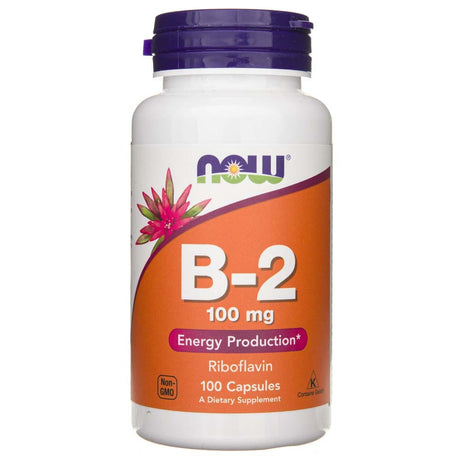
Standard riboflavin supplements provide riboflavin in its free form, which is absorbed in the small intestine and phosphorylated to FMN and FAD in intestinal cells. This process is efficient at low doses but becomes increasingly saturable at higher intakes — meaning absorption efficiency decreases at doses above approximately 27 mg.
The activated form, riboflavin-5-phosphate (R-5-P), is the direct coenzyme form of B2 and does not require conversion — it is particularly relevant for individuals with impaired gut conversion capacity or certain metabolic conditions. For general dietary supplementation, standard riboflavin is effective; for those specifically seeking the active coenzyme form, R-5-P formulations are available. For migraine prophylaxis, high-dose plain riboflavin (400 mg/day) has the clinical evidence base, administered under appropriate guidance.


Aliness
Aliness Vitamin B2 R-5-P (Riboflavin) 40 mg - 100 Tablets
Regular price €9.69Unit price€0.10 each 5% off
Aura Herbals
Aura Herbals Vitamin B2 R-5-P 40 mg - 60 Capsules
Sale price €5.59 Regular price €5.89Unit price€0.09 each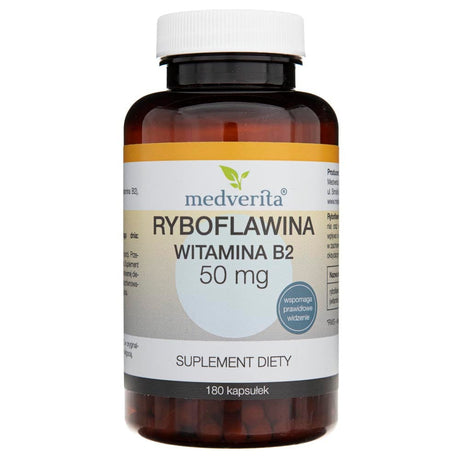


Medverita
Medverita Riboflavin (Vitamin B2) 50 mg - 180 Capsules
Regular price €5.19Unit price€0.03 each


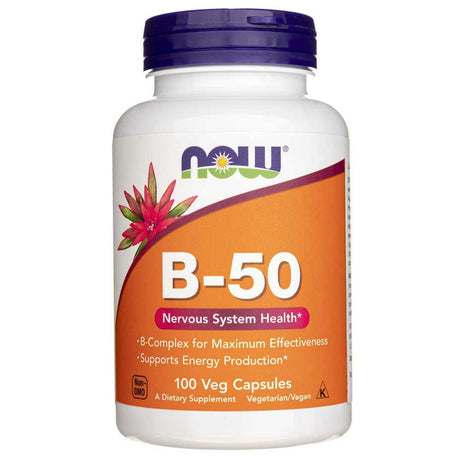
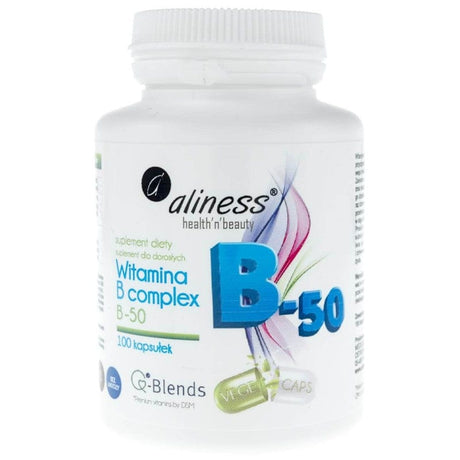
For comprehensive B-vitamin support including riboflavin as part of the full B-complex:


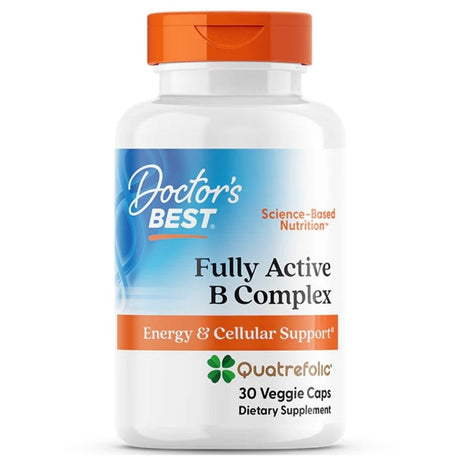

Doctor's Best
Doctor's Best Fully Active B Complex with Quatrefolic - 30 Veg Capsules
Regular price €17.49Unit price€0.58 each


This article is for information only and does not replace medical advice. If you have health concerns, are pregnant, breastfeeding or taking medication, consult a doctor or pharmacist. Dietary supplements are not a substitute for a varied diet.


