

Nut butter — that humble jar of blended nuts sitting in your kitchen cupboard — has a reputation problem. Critics point to its high calorie content and fat levels; supporters call it one of the most nutrient-dense foods you can eat. As is often the case in nutrition, both sides have a point. Understanding what nut butter actually contains, and how to choose and use it wisely, makes all the difference between an indulgent habit and a genuinely smart dietary addition.
What's Actually in Nut Butter?
At its core, nut butter is simply ground nuts — and nuts are among the most nutritionally complete foods in the plant kingdom. A quality nut butter delivers plant-based protein, making it particularly valuable for vegans and vegetarians who need reliable non-animal protein sources. Alongside protein, nut butter contains essential unsaturated fatty acids — including omega-3, omega-6, and omega-9 — which support healthy brain function, help regulate cholesterol levels, reduce blood pressure, and act as natural antioxidants.
Beyond fats and protein, you'll find dietary fibre, vitamin E, folate, magnesium, and potassium. Folate supports the nervous and digestive systems; magnesium and potassium are critical for those under physical or mental stress. Vitamin E, a potent antioxidant, helps protect cells from oxidative damage and contributes to healthy skin. The calorie count is high, yes — but these are calories that come packaged with genuine nutritional value.
Which Nut Butter Is the Healthiest?
Not all nut butters are equal. Standard peanut butter is the most widely available, but it's nutritionally the weakest of the bunch — its omega-3 to omega-6 ratio is unfavourable, and peanut proteins are among the more common allergens. If you have the choice, these alternatives are worth considering:
- Almond butter — rich in calcium, protein, and arginine, which may support muscle performance
- Cashew butter — high in iron, copper, zinc, and magnesium
- Hazelnut butter — excellent source of vitamin E and B3
- Walnut butter — the best omega-3 to omega-6 ratio of any nut butter
- Brazil nut butter — exceptionally high in magnesium and selenium
Whichever variety you choose, the most important factor after the nut itself is the ingredient list. The healthiest nut butters contain nothing but nuts — no added sugar, no salt, no glucose-fructose syrup, no palm oil. The shorter the ingredients list, the better.
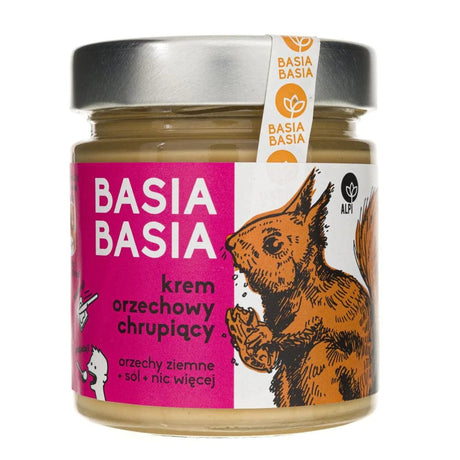

 6% off
Alpi Hummus
Alpi Basia Basia Peanut Butter Crunch - 210 g
Sale price €3.29 Regular price €3.49Unit price€1.57 /100g


Who Benefits Most from Nut Butter?
Nut butter is a versatile food that fits a wide range of dietary needs and lifestyles. Vegans and vegetarians are the most obvious beneficiaries — nut butter is one of the easiest ways to boost plant protein intake without supplementation. Athletes and active individuals benefit from the sustained energy release and the brain-supporting fatty acids, which contribute to focus and memory during training and competition. For children and students, the combination of protein, healthy fats, and B vitamins provides meaningful cognitive support.
Perhaps surprisingly, nut butter can also fit into a weight management approach. The unsaturated fats support healthy digestive function, and the protein-and-fibre combination promotes satiety — meaning a tablespoon or two at breakfast can reduce the urge to snack later in the day. The key, as always, is portion awareness given the calorie density.
How to Use Nut Butter in Your Diet
The most obvious use is as a spread on bread, crackers, or rice cakes — but nut butter goes well beyond breakfast. It blends seamlessly into smoothies and protein shakes, adding creaminess and nutritional density. In cooking, it works as a base for marinades, satay-style sauces, and salad dressings. Savoury cashew butter pairs well with spiced dishes; almond butter works in both sweet baked goods and as a topping for fruit. The versatility is genuinely underrated.
Complementing Nut Butter with Targeted Supplements
While nut butter is nutritionally impressive, it does have gaps. The omega-3 content in most nut butters — even walnut butter — is modest compared to what fish oil provides, and the form (ALA rather than EPA/DHA) is less readily used by the body. If cardiovascular and brain health are priorities, pairing your nut butter habit with a quality omega-3 supplement makes strong nutritional sense.
Similarly, while nuts contribute to vitamin E intake and magnesium levels, reaching optimal amounts through food alone can be challenging — particularly for athletes with higher demands or older adults with reduced absorption. A targeted supplement can help bridge that gap reliably. Vegans and vegetarians who rely heavily on plant protein sources like nut butter may also benefit from exploring our plant protein range to round out their intake.
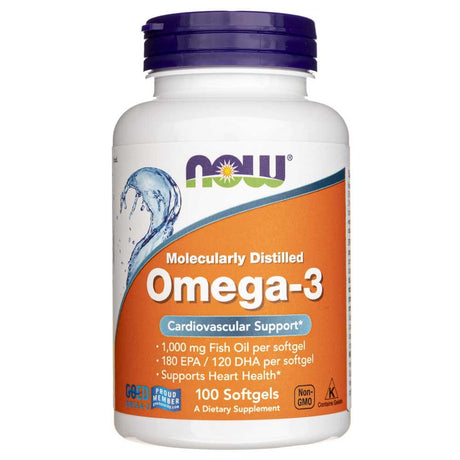


Now Foods
Now Foods Omega-3, 180 EPA / 120 DHA - 100 Softgels
Regular price €11.49Unit price€0.11 each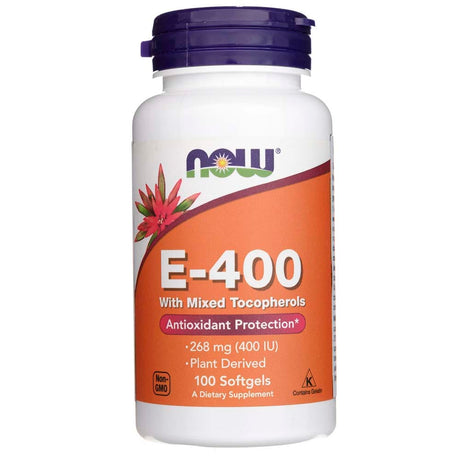


Now Foods
Now Foods Vitamin E-400 With Mixed Tocopherols - 100 Softgels
Regular price €15.19Unit price€0.15 each


This article is for information only and does not replace medical advice. If you have health concerns, are pregnant, breastfeeding or taking medication, consult a doctor or pharmacist. Dietary supplements are not a substitute for a varied diet.


