

Vitamin B3 is a combination of two compounds: nicotinic acid and its amide form, nicotinamide (also known as niacinamide). It is sometimes called the anti-pellagra factor, which is why it also goes by the name vitamin PP. Unlike other B vitamins, the body can produce small amounts of niacin from the amino acid tryptophan — but this internal production is far too limited to meet daily needs. That makes dietary sources and supplementation essential.
Food Sources of Vitamin B3
Fortunately, vitamin B3 is found in a wide range of everyday foods. Good sources include poultry and pork, liver, eggs, milk, various cheeses, and fish. Whole grains, bread, and yeast are also valuable contributors. Beyond animal and grain products, nuts, fresh vegetables, potatoes, and leafy greens all provide meaningful amounts of niacin. With such variety available, including enough vitamin B3 in a balanced diet is achievable for most people.
Key Properties of Niacin
Vitamin B3 is a water-soluble vitamin, but what sets it apart from many others is its exceptional stability. It is remarkably resistant to high temperatures, oxygen exposure, and UV radiation — making it one of the most durable vitamins in the entire B group.
Within the body, niacin is involved in the synthesis of several critical hormones, including sex hormones, cortisol, thyroxine, and insulin. Research has also confirmed that vitamin B3 supports immune function by increasing the number of neutrophils — white blood cells with bactericidal properties that help the body fight infections, including those caused by Staphylococcus aureus.
Another well-documented benefit is niacin's positive influence on cardiovascular health. It has been shown to help lower cholesterol levels and may slow the progression of changes associated with atherosclerosis, making it relevant for long-term heart and circulatory health.
Niacinamide in Skincare — Why It Is So Popular
Niacinamide has become one of the most sought-after active ingredients in modern skincare, and for good reason. Its thoroughly researched safety profile and remarkable versatility make it suitable for virtually every skin type — sensitive, normal, combination, and oily. However, people with problematic skin tend to benefit the most.
Skin Barrier and Hydration
One of niacinamide's primary functions in skincare is stimulating the production of lipid components in the skin and supporting the substances responsible for epidermal hydration. The result is a visibly stronger skin barrier that is more resilient against external damage, better moisturised, and noticeably more radiant. Skin also becomes firmer and more elastic with regular use.
Anti-Ageing and Brightening
Niacinamide has demonstrated anti-wrinkle effects — it may help smooth fine lines and prevent their further deepening. It improves the overall texture and tone of the skin, counteracting the yellowing and greying that often accompany the ageing process. Niacinamide is also effective against hyperpigmentation, as it helps prevent melanin from migrating out of melanocytes into surrounding skin cells. This brightening effect works even better when combined with other targeted ingredients.
Repair, Protection, and Acne Support
Niacinamide supports the skin's natural repair processes after mechanical damage or UV exposure, making it an excellent companion to sunscreen. It has also been shown to help manage acne — both active breakouts and the scarring that may follow. Additionally, niacinamide may benefit those dealing with atopic dermatitis, psoriasis, and rosacea. By reducing sebum production and minimising pore size, it contributes to a smoother, clearer complexion.
Explore niacinamide-based skincare products from leading K-Beauty and international brands at Medpak:
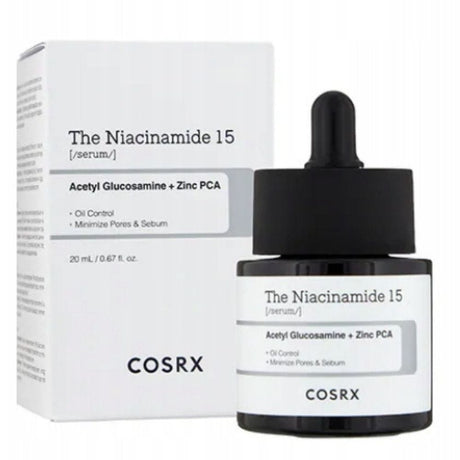


Beauty of Joseon
Beauty of Joseon Serum with Propolis & Niacinamide Glow - 30 ml
Regular price €15.99Unit price€5.33 /10ml 30% off
Isntree
Isntree Hyper Niacinamide 20 Serum - 20 ml
Sale price €10.19 Regular price €14.59Unit price€509.50 /L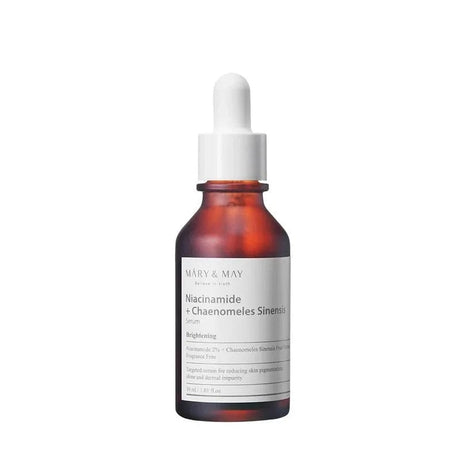 5% off
Mary&May
Mary&May Niacinamide + Chaenomeles Sinensis Serum - 30 ml
Sale price €9.49 Regular price €9.99Unit price€31.63 /100ml


Dosage — How Much Vitamin B3 Do You Need
Before starting niacinamide supplementation, it is important to consider your specific goals and to consult a healthcare professional who can help choose the right product and dosage.
The general recommended daily intake for adults is 14–16 mg of niacin — an amount that can often be met through a balanced diet. However, some supplements contain significantly higher concentrations, such as 500 mg per tablet. These higher doses are typically reserved for specific therapeutic purposes, such as managing diagnosed lipid disorders, and should only be used under medical supervision.
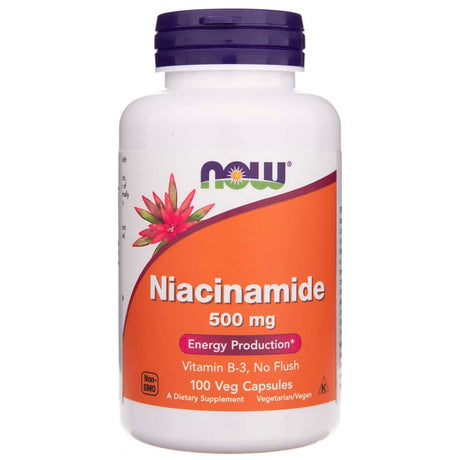
Here is a selection of vitamin B3 supplements available at Medpak for those looking to support their niacin intake:


Life Extension
Life Extension Vitamin B3 Niacin 500 mg - 100 Capsules
Regular price €10.99Unit price€0.11 each


Aliness
Aliness Niacin, nicotinic acid amide 500 mg - 100 Veg Capsules
Regular price €9.49Unit price€0.09 each


Side Effects of Niacinamide Supplementation
It is worth noting at the outset that even significant niacin overdose does not pose a life-threatening risk and does not cause permanent health damage. However, excessive intake can produce uncomfortable symptoms that are important to be aware of:
- Niacin flush — the most common reaction, characterised by redness, burning, and tingling on the face, arms, and chest, caused by temporary blood vessel dilation
- Skin dryness and rash — may occur with prolonged high-dose use
- Digestive discomfort — stomach pain and nausea are possible
- Temporary liver strain — typically associated with very high therapeutic doses
- Blood sugar changes — hyperglycaemia may occur in susceptible individuals
- Heart rhythm irregularities — arrhythmia has been reported in rare cases
Who Can Benefit from Vitamin B3
Niacinamide is a versatile nutrient with applications across health and beauty. People concerned about skin health — whether targeting acne, hyperpigmentation, ageing, or barrier repair — may benefit from topical niacinamide products. Those looking to support cardiovascular function, immune resilience, or hormonal balance may find oral niacin supplementation valuable. And given its role in energy metabolism and overall cellular function, vitamin B3 is relevant for virtually anyone seeking to maintain a well-rounded nutrient intake.
Key Takeaway: Vitamin B3 (niacin/niacinamide) is a remarkably stable and versatile nutrient that supports cardiovascular health, immune function, and hormone synthesis. In skincare, niacinamide excels at strengthening the skin barrier, brightening tone, reducing acne, and smoothing fine lines. The recommended daily intake is 14–16 mg, with higher therapeutic doses used only under medical supervision.
This article is for information only and does not replace medical advice. If you have health concerns, are pregnant, breastfeeding or taking medication, consult a doctor or pharmacist. Dietary supplements are not a substitute for a varied diet.


