

Few people realise just how many forms of vitamin B12 are available. In reality, most don't give much thought to selecting the right form of this essential nutrient, even though it significantly affects both absorption and the ultimate effectiveness of supplementation. Vitamin B12 exists in several forms: adenosylcobalamin, hydroxocobalamin, cyanocobalamin, and methylcobalamin. The latter two are most commonly found on the market, and understanding their differences can help you make the best choice for your health.
Methylcobalamin vs Cyanocobalamin: Similarities and Differences
The most frequently encountered form on the market is cyanocobalamin. This is a synthetic compound consisting of cobalamin bound to a cyanide molecule. While the cobalamin portion is produced by bacteria, the cyanide group is added in a laboratory setting to increase the stability of this chemical compound. The result is a form that's highly resistant to heat and oxygen exposure.
Importantly, cyanocobalamin does not occur naturally in the environment. However, the human body can convert it into the active forms of vitamin B12, namely adenosylcobalamin and methylcobalamin. By taking cyanocobalamin, you're essentially providing the raw material for your body to produce both active forms.
Methylcobalamin, on the other hand, is synthesised by certain bacteria and can also be produced in laboratory conditions. However, it's an unstable group, which means storing this form of vitamin B12 requires more careful handling. It's particularly sensitive to light, which can weaken its activity and absorption. Despite these storage considerations, methylcobalamin is widely regarded as the most bioavailable form, with the highest absorption rate and no conversion required by the body.
Which Form Should You Choose?
Due to ease of storage and greater availability, cyanocobalamin is typically used in most supplements. It's the primary ingredient in many tablet-form dietary supplements, largely because of its resistance to sunlight. This means it doesn't require particularly strict storage conditions, which for many people is a sufficient argument.
However, in practice, methylcobalamin is often the better choice. It's particularly recommended for those experiencing nervous system concerns or those with reduced production of certain digestive enzymes. These conditions may prevent vitamin B12 from being properly absorbed from food or converted into its active forms. In such situations, only supplementation with the active form brings real improvement and noticeable results.
Key Advantages of Methylcobalamin
- Higher bioavailability - no conversion required by the body
- Longer retention - remains in the body significantly longer than its synthetic counterpart
- Bypasses absorption issues - ideal for those with digestive concerns affecting B12 uptake
- Directly supports the nervous system - the methylated form is immediately usable by nerve tissue
Often, vitamin B12 deficiency results not from a poorly balanced diet but from absorption problems. Methylcobalamin allows you to bypass these issues and deliver an adequate dose of the vitamin directly to your body. Explore our complete vitamin B collection to find the right supplement for your needs.


Aliness
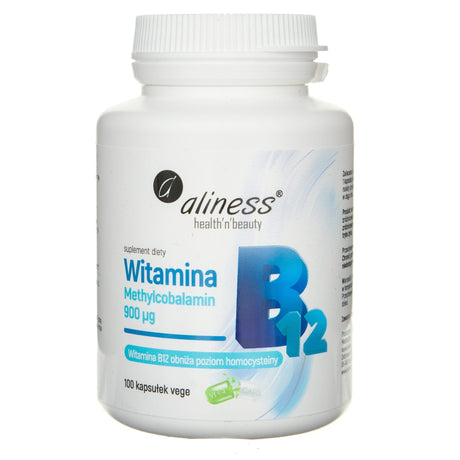
Aliness Vitamin B12 Methylcobalamin 950 mcg - 100 Veg Capsules
Regular price €10.59Unit price€0.11 each


 10% off
Quicksilver
Quicksilver Liposomal Methyl B-12 - 30 ml
Sale price €44.99 Regular price €49.99Unit price€149.97 /100ml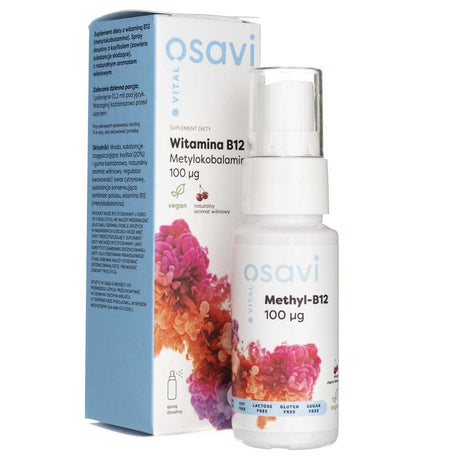


Osavi
Osavi Vitamin B12 (Methylcobalamin) Spray 100 mcg - 25 ml
Regular price €8.09Unit price€3.24 /10ml


Methylcobalamin During Pregnancy
Pregnancy brings increased demand for many nutrients, including vitamin B12. This essential vitamin participates in red blood cell synthesis and the metabolism of fats, proteins, and carbohydrates. It also has a profound impact on the development and proper functioning of the nervous system.
B12 deficiency can lead to neurological and haematological disorders, which are particularly concerning for children and pregnant women. Research suggests that insufficient vitamin B12 intake around the 28th week of pregnancy may not only contribute to lower birth weight but could also increase the risk of insulin resistance and elevated cholesterol levels in offspring.
The Leptin Connection
Specialists also highlight the relationship between low vitamin B12 levels in pregnant women and the risk of metabolic conditions in the developing baby. This occurs because B12 deficiency may elevate levels of leptin - the satiety hormone responsible for sending fullness signals to the brain after eating. Excess leptin can reduce tissue sensitivity to insulin, potentially leading to overeating, insulin resistance, and an increased risk of type 2 diabetes.
Studies indicate that diabetes rates may be significantly higher among mothers with vitamin B12 deficiency compared to those maintaining adequate levels. Additionally, elevated cholesterol and triglyceride levels often accompany diabetes, demonstrating that this vitamin also influences the body's lipid metabolism. During pregnancy, it's therefore worth ensuring proper methylcobalamin supplementation alongside all other essential vitamins and minerals. Visit our pregnancy health supplements section for carefully selected prenatal support.
Methods of Vitamin B12 Supplementation
Cyanocobalamin, due to its synthetic nature, is typically administered only in tablet form, most often as one component of balanced dietary supplements. The situation is somewhat different with methylcobalamin, the active compound that requires less processing by the body.
Sublingual Administration
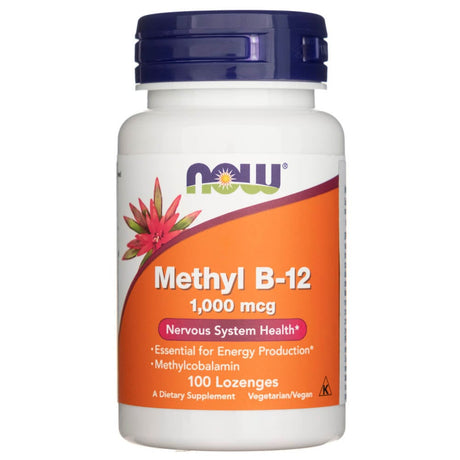
Sublingual methylcobalamin (placed under the tongue) is one of the most effective supplementation methods. Thanks to this delivery route, it absorbs much faster, and you can feel its positive effects on the body almost immediately. The mucous membranes under the tongue allow the vitamin to enter the bloodstream directly, bypassing the digestive system entirely.
Spray and Liquid Forms
Similarly effective are spray formulations and liposomal liquids. Their main advantage is bypassing the small intestine as the absorption site. This enables almost immediate action of vitamin B12 without waiting for a tablet to dissolve and the vitamin to be absorbed through the gut.
Choosing the Right Delivery Method
- Sublingual tablets - dissolve under the tongue for rapid absorption
- Oral sprays - convenient and fast-acting
- Liposomal liquids - superior absorption through lipid encapsulation
- Standard capsules - traditional method, suitable for those without absorption issues
Everything points to methylcobalamin being the decidedly more recommended form for supplementation. Given the various options for taking it, everyone can easily find a convenient form that suits their preferences and lifestyle. For those interested in comprehensive brain and cognitive support, methylcobalamin pairs excellently with other B vitamins and nootropic compounds.


Solgar
Solgar Sublingual Methylcobalamin (Vitamin B12) 5000 mcg - 30 Tablets
Regular price €14.99Unit price€0.50 each


Life Extension
Life Extension Vitamin B12 Elite - 60 Lozenges
Regular price €9.49Unit price€0.16 each


Now Foods
Now Foods Vitamin B-12 Liposomal Spray - 59 ml
Regular price €13.49Unit price€22.86 /100ml


Who Benefits Most from Methylcobalamin?
While anyone can benefit from methylcobalamin supplementation, certain groups may find it particularly valuable:
- Vegans and vegetarians - plant-based diets contain virtually no natural B12
- Older adults - B12 absorption typically decreases with age
- Those with digestive conditions - Crohn's disease, coeliac disease, or other gut issues may impair absorption
- Pregnant and breastfeeding women - increased requirements during these periods
- People taking certain medications - metformin and proton pump inhibitors can affect B12 levels
At Medpak, we offer methylcobalamin supplements from trusted international brands, shipped directly across Europe with no customs concerns. Our selection includes sublingual tablets, sprays, and liposomal formulations to suit every preference.
Key Takeaway: While cyanocobalamin remains widely available and stable, methylcobalamin offers superior bioavailability and is the form your body actually uses. For those with absorption concerns, nervous system support needs, or during pregnancy, methylcobalamin is generally the preferred choice for vitamin B12 supplementation.
This article is for information only and does not replace medical advice. If you have health concerns, are pregnant, breastfeeding or taking medication, consult a doctor or pharmacist. Dietary supplements are not a substitute for a varied diet.


