

"Good sleep is the key to everything" — it may sound like a cliché, but there is a great deal of truth in it. For the body to function properly, it needs a few essential inputs: balanced nutrition, adequate hydration, and perhaps most importantly, sleep. Enough sleep for the body to rest and recover after an active day. Eight hours is widely considered optimal — a period during which the body regenerates most effectively. Sleep less than that consistently, and you may find motivation, energy, and even your favourite activities start to feel out of reach. But sleeping too long brings problems of its own — waking up groggy and sluggish after ten or eleven hours can make it harder to get going than if you had slept less.
Why Sleep Quality Matters as Much as Quantity
We know that the length of sleep is important, but what about the quality? This is an equally critical factor when it comes to starting each day feeling refreshed and energised. The key question is whether you are actually resting during those hours. Most of us have experienced waking up after a full night's sleep feeling heavier and more tired than when we went to bed. The hours were there — but genuine rest was not.
Improving sleep quality does not require dramatic changes. A combination of simple habits, a good environment, and — where needed — targeted nutritional support can make a meaningful difference. Here are some practical strategies that can help.
Create the Right Sleep Environment
Your bedroom should be a place that signals rest to your brain. Before going to bed, open a window briefly to allow fresh air to circulate — a well-ventilated room with a comfortable temperature makes breathing easier and falling asleep more natural. Close your curtains or blinds completely. The brain should not receive any light stimulation when you are trying to sleep — light disrupts your internal clock, makes you squint and feel restless, and ultimately makes it harder to drift off. The rule is simple: your body needs darkness to rest.
Invest in a Good Mattress
This may seem obvious, but it is surprising how many people tolerate an uncomfortable sleeping surface. If you find yourself constantly turning from side to side, searching for a position that works, your mattress may be the problem. It could be too firm, putting pressure on your spine, or too soft, causing your body to sink and curl into uncomfortable positions. A mattress that properly supports your body is one of the most worthwhile investments you can make for better sleep.
Establish an Evening Routine
What you do in the hours before bed has a direct impact on how well you sleep. Building a consistent evening routine helps your body recognise when it is time to wind down.
A Warm Bath or Shower
This is not just for cold evenings — a warm bath or shower before bed relaxes muscles that have been tense throughout the day. The sound and sensation of water also has a calming effect on the brain. Ideally, make this one of the last things you do before getting into bed, so that the feeling of relaxation carries you straight into sleep.
Stop Eating Three Hours Before Bed
Give your stomach enough time to digest your last meal. Going to bed with a full stomach can lead to discomfort, indigestion, or heartburn — all of which can disrupt sleep for hours. Aim to finish your last meal approximately three hours before your planned bedtime.
Choose Calming Drinks
In the evening, reach for something gentle: still water, herbal tea (chamomile or lemon balm work particularly well), or warm milk with a touch of honey. These drinks have naturally calming properties and are easy on the digestive system. Avoid fizzy, sugary, or caffeinated beverages — they stimulate rather than soothe, and that is the opposite of what you need before sleep.
Break Bad Sleep Habits
Reserve Your Bed for Rest
Bringing work, screens, food, or other daily activities into bed trains your brain to associate it with stimulation rather than rest. When you watch television, scroll through your phone, or answer emails in bed, you are undermining the mental signal that this is a place for sleep. Allow your bed to be a sanctuary — a space reserved exclusively for rest and intimacy — and your brain will start to cooperate.
Do Not Force Sleep
Sometimes, despite good intentions about going to bed early, you simply are not tired yet. Lying in bed frustrated and trying to force yourself to sleep only makes things worse. If this happens, get up and move to another room. Sit quietly, have a calm conversation with someone at home, or simply relax in low light. After some time, tiredness will come naturally. The important thing is not to restart any stimulating activities — no television, no phone — as this will only push sleep further away.
Natural Supplements That May Support Better Sleep
When good habits alone are not enough, certain natural supplements may help your body relax and prepare for restful sleep. Here are some of the most well-regarded options:
- Melatonin — the body's natural sleep hormone, often used to help regulate the sleep-wake cycle, particularly useful for jet lag or shift work
- Magnesium with vitamin B6 — magnesium contributes to normal nervous system function and may help reduce tension before bed. Vitamin B6 supports its absorption
- L-theanine — an amino acid found naturally in tea that promotes relaxation without drowsiness
- GABA — a neurotransmitter that helps calm the nervous system and may support the transition to sleep
- Valerian root — a traditional herbal remedy long used to promote calm and support sleep onset
- Ashwagandha — an adaptogenic herb that may help the body manage stress, one of the most common barriers to good sleep








Now Foods
Now Foods Valerian Root 500 mg - 100 Veg Capsules
Regular price €8.99Unit price€0.09 each


For those who prefer dedicated sleep and relaxation formulas or want to explore stress-management support:


 10% off
Now Foods
Now Foods GABA 750 mg - 200 Veg Capsules
Sale price €23.39 Regular price €25.99Unit price€0.12 each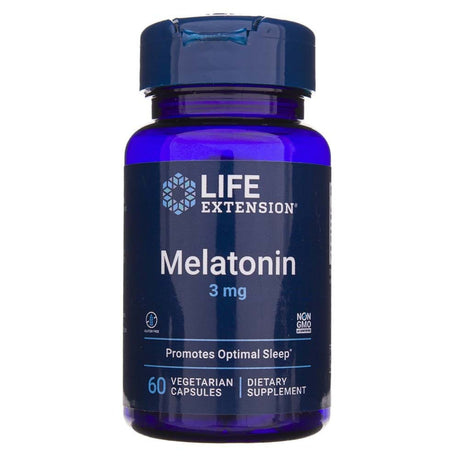

Life Extension
Life Extension Melatonin 3 mg - 60 Veg Capsules
Regular price €12.69Unit price€0.21 each


Swanson
Swanson Full Spectrum Ashwagandha 450 mg - 100 Capsules
Regular price €5.19Unit price€0.05 each

Life Extension
Life Extension Optimized Ashwagandha Extract - 60 Veg Capsules
Regular price €13.49Unit price€0.22 each


The Role of Aromatherapy
Essential oils can also play a role in creating a sleep-friendly environment. Lavender, chamomile, and melissa (lemon balm) oils are traditionally associated with relaxation and calm. Used in a diffuser or added to an evening bath, they can help signal to your brain that it is time to unwind. Explore our aromatherapy collection for natural options to complement your bedtime routine.
Key Takeaway: Improving sleep quality starts with simple habits — a dark, ventilated room, a consistent evening routine, avoiding food and screens before bed, and never forcing sleep. When lifestyle changes are not enough, natural supplements like melatonin, magnesium with B6, L-theanine, and valerian root may provide additional support. Good sleep is not a luxury — it is the foundation that everything else in your health is built on.
This article is for information only and does not replace medical advice. If you have health concerns, are pregnant, breastfeeding or taking medication, consult a doctor or pharmacist. Dietary supplements are not a substitute for a varied diet.


