

Glutamine is one of those supplements that appeals to a growing number of people — and for good reason. It supports a wide range of bodily functions, from muscle recovery and immune defence to gut health and mental performance. While athletes have long recognised its value, glutamine is equally beneficial for anyone dealing with stress, illness, or the demands of a busy lifestyle. When the body's own production falls short of demand, smart supplementation can make a real difference.
What Is Glutamine
Glutamine is one of the amino acids that serve as building blocks for proteins. It is classified as an endogenous amino acid, meaning the human body can produce it on its own. This might suggest there is no need to supplement — but in practice, many people, especially those who are physically or mentally active, experience a gap between supply and demand. During periods of stress, intense exercise, illness, or general overload, the body's glutamine requirements rise sharply, and internal production often cannot keep up.
As a protein component, glutamine contributes directly to tissue building and repair. But its role in the body extends far beyond structural support — it is involved in immune function, gut health, energy metabolism, and even brain performance.
Glutamine for Muscle Growth and Athletic Performance
For athletes and physically active individuals, glutamine's most prized property is its ability to support muscle protein synthesis. By increasing nitrogen production, glutamine helps create optimal conditions for muscle cell growth. At the same time, it may reduce muscle catabolism — the process by which the body breaks down muscle tissue for energy during exercise.
This is an important distinction: glutamine can act as an additional fuel source during physical effort, which means the body is less likely to tap into its muscle-building reserves. The result is that energy is supplied in real time rather than drawn from stored muscle mass. This same mechanism contributes to improved overall endurance, allowing for longer and more productive training sessions while helping protect muscle glycogen stores.
Glutamine also plays a role in preventing overtraining and excessive acidification of the body, even during intense or prolonged training cycles. For anyone serious about their sports and fitness goals, glutamine is a foundational supplement worth considering.
Immune System Support
Glutamine is not just for athletes. One of its most important general health benefits is its role in strengthening the immune system. Glutamine supports the production of glutathione — a powerful natural antioxidant that plays a central role in immune defence. By maintaining healthy glutathione levels, glutamine may help the body resist illness and recover more effectively when challenged.
This immune-supporting property is especially relevant during periods of high stress, seasonal changes, or intense physical training — all of which can temporarily suppress immune function.
Gut Health and Blood Sugar Balance
The digestive system is another area where glutamine makes a significant contribution. It supports the integrity and function of the intestinal lining, which acts as a crucial barrier between the gut and the bloodstream. Glutamine may help soothe the effects of restrictive or overly abundant diets and support overall gut comfort.
Additionally, glutamine plays a role in blood sugar regulation. It may help stabilise glucose levels by moderating the action of insulin. When blood sugar drops, glutamine can help prevent further decline. This stabilising effect has a practical benefit — it may reduce cravings for sweets and sugary drinks, making it easier to maintain consistent energy levels throughout the day.
Brain Function and Mental Performance
Glutamine is present in high concentrations in the brain, where it supports cognitive function and can serve as an alternative fuel source when glucose availability is limited. This makes it a valuable supplement for anyone facing sustained mental effort — whether during demanding work projects, study periods, or other situations that require prolonged focus and concentration.
Cardiovascular Support and Wound Healing
Glutamine also serves as an energy source for the heart muscle and may help regulate blood pressure. Beyond the cardiovascular system, it plays a role in wound healing by participating in protein synthesis within connective tissue. Adequate glutamine levels may help accelerate tissue regeneration, supporting faster recovery from injuries or surgical procedures.
Dosage — How Much Glutamine to Take
Glutamine dosage should be tailored to individual needs, activity level, and body weight. Here are general guidelines:
- Beginners: Start with approximately 0.8 g per 10 kg of body weight per day, divided into two or three portions
- Advanced users: May increase the dose to up to 2 g per 10 kg of body weight, divided into equal portions throughout the day
- General recommended daily intake: 5–15 g per day
The best times to take glutamine are on an empty stomach and immediately after training. For those using glutamine to support weight management or reduction diets, it can be taken both before and after exercise.
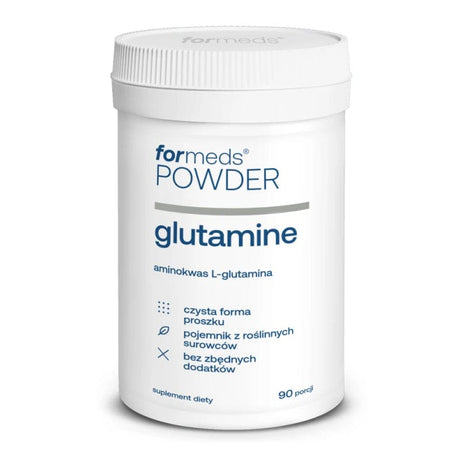
Here is a selection of standalone glutamine supplements available at Medpak:
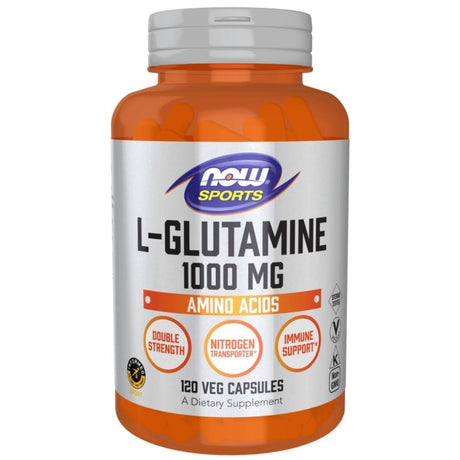


Now Foods
Now Foods L-Glutamine 1000 mg - 120 Veg Capsules
Regular price €18.19Unit price€0.15 each


Jarrow Formulas
Jarrow Formulas L-Glutamine 750 mg - 120 Veg Capsules
Regular price €18.79Unit price€0.16 each

Life Extension
Life Extension L-Glutamine 500 mg - 100 Veg Capsules
Regular price €17.69Unit price€0.18 each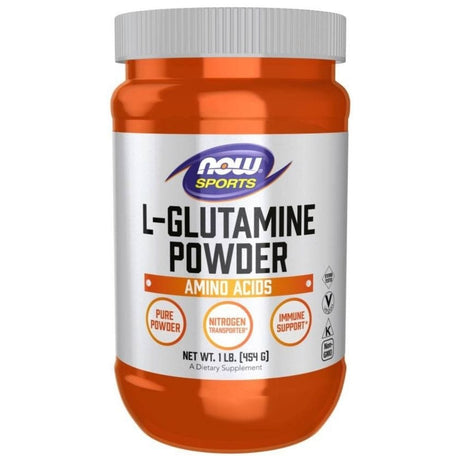


For those looking for combined formulas that pair glutamine with BCAAs for enhanced workout support:
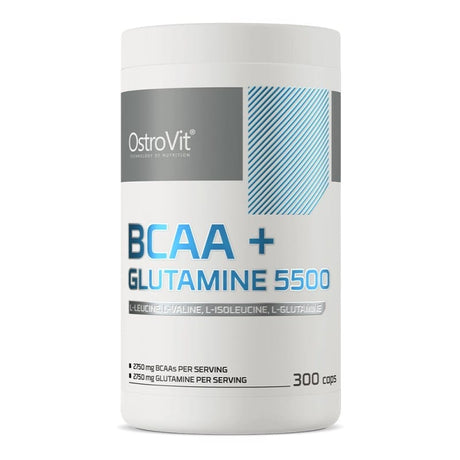


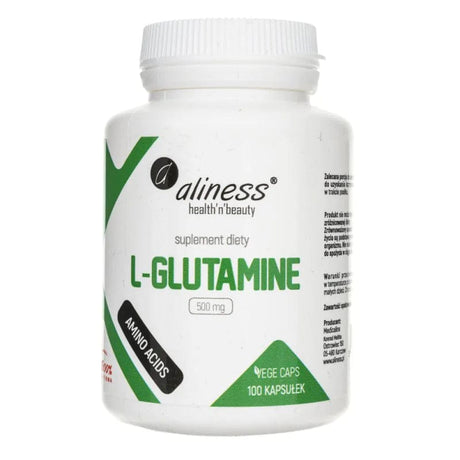


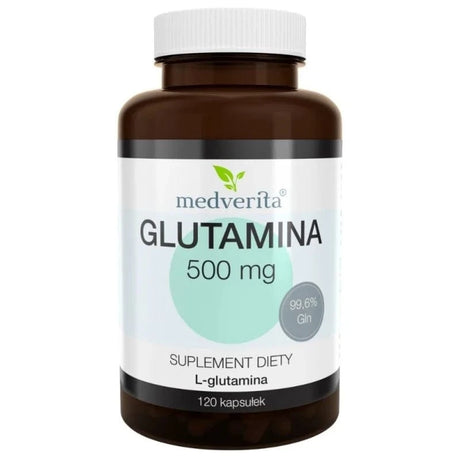
Medverita
Medverita Glutamine (L-glutamine FCC) 500 mg - 120 Capsules
Regular price €4.69Unit price€0.04 each


Contraindications and Side Effects
Glutamine is generally considered a safe supplement, largely because it is a naturally occurring amino acid that the body produces on its own. However, there are important exceptions. The following groups should avoid glutamine supplementation or consult a healthcare professional before starting:
- People with kidney insufficiency — impaired kidney function may affect the body's ability to process excess amino acids
- Diabetics — glutamine's effects on blood sugar may require medical supervision
- People with epilepsy — glutamine may influence neurotransmitter balance
- People with liver disease — compromised liver function may affect amino acid metabolism
- People with MSG (monosodium glutamate) allergy — cross-sensitivity is possible
No significant side effects of glutamine supplementation have been reported to date when taken at recommended doses. As with all supplements, however, exceeding the manufacturer's recommended intake is not advised.
Who Can Benefit from Glutamine Supplementation
Glutamine is a remarkably versatile amino acid that supports multiple body systems simultaneously. Athletes seeking muscle growth and faster recovery, busy professionals under mental and physical stress, individuals looking to support their immune system or gut health, and anyone managing demanding dietary programmes may all benefit from consistent glutamine intake.
To explore more options for building a comprehensive supplement routine, browse the full range of amino acid supplements at Medpak and find the products that match your goals.
Key Takeaway: Glutamine is a multi-functional amino acid that supports muscle recovery, immune defence, gut health, cognitive performance, and cardiovascular function. A daily intake of 5–15 g is generally recommended, with timing around training for best athletic results. While safe for most people, those with specific health conditions should seek medical advice before supplementing.
This article is for information only and does not replace medical advice. If you have health concerns, are pregnant, breastfeeding or taking medication, consult a doctor or pharmacist. Dietary supplements are not a substitute for a varied diet.


