

What benefits does face clay offer, and which type is best for your skin? Whether you struggle with excess sebum, dryness, or sensitivity, the right clay mask can transform your skincare routine. In this guide, you'll find a detailed overview of different clay types, how to choose the right one for your skin, and how to use it effectively.
Types of Face Clay and Their Properties
Natural clays are among the most versatile ingredients in skincare. Each type has a unique mineral composition that makes it suitable for different skin needs — from deep cleansing and oil control to gentle hydration and soothing. Understanding these differences is the first step to choosing the right clay for your complexion.
White Clay (Kaolin)
White clay, also known as kaolin, is the mildest of all cosmetic clays. It works gently on the skin, making it ideal for dry and sensitive skin types. Kaolin contributes to a smoother, more refined complexion by minimising the appearance of pores and calming irritation, without stripping the skin of its natural moisture. If your skin reacts easily to harsher ingredients, white clay is a safe and effective choice.
Green Clay
Green clay is one of the most absorbent varieties, making it particularly well-suited to oily and acne-prone skin. Rich in minerals including silica, magnesium, zinc, and manganese, it draws out impurities, absorbs excess sebum, and may support the skin's natural ability to manage inflammation. Its deep-cleansing action helps keep pores clear and the complexion looking fresher. For anyone dealing with persistent shine or blemishes, green clay is worth exploring.
Red Clay
Red clay is traditionally associated with improving skin tone and supporting the appearance of delicate capillaries. It suits sensitive and couperose skin particularly well. Alongside its purifying action, red clay helps give the complexion a more even, healthy-looking appearance. Those prone to redness or broken capillaries may find it a useful addition to their routine.
Pink Clay
Pink clay is a blend of white and red clay, combining the gentle hydration of kaolin with the toning properties of red clay. It suits sensitive and delicate skin that needs mild yet effective care. Pink clay masks can help refine pores, calm minor irritations, and restore a balanced, healthy glow — all without overwhelming the skin.
Yellow Clay
Yellow clay has moderate astringent and anti-inflammatory properties, making it a practical choice for oily and combination skin. Its iron content may help regulate sebum production and leave the skin looking more matte. For those who find green clay too intense, yellow clay offers a gentler alternative with similar oil-managing benefits.
Blue Clay
Blue clay stands out for its hydrating and soothing properties, which make it well-suited to dry and dehydrated skin. Rather than drawing out oil, blue clay focuses on replenishing moisture and supporting skin renewal. It may also contribute to improved circulation, leaving the complexion looking more refreshed and revitalised.
How to Match Clay to Your Skin Type
Choosing the right clay is just as important as how you use it. Using an overly astringent clay on dry skin — or a mild clay on very oily skin — will limit results. Here's a quick reference:
- Oily and acne-prone skin — green or yellow clay for deep cleansing and sebum absorption
- Dry skin — white or blue clay for gentle cleansing with added hydration
- Combination skin — try applying different clays to different zones: green on the T-zone, white or pink on drier areas
- Sensitive and couperose skin — pink or red clay for calming and gentle toning
Explore our range of face masks and clays to find the type that best matches your skin's needs.
How to Prepare and Apply a Clay Mask
Using a clay mask correctly makes a real difference to the results. Start with clean, dry skin — removing makeup, sunscreen, and surface impurities beforehand ensures the clay can work more effectively. Mix your chosen clay powder with water, floral water (hydrosol), or plain yoghurt until you have a smooth, even paste. Avoid metal bowls or spoons, as metal can affect the clay's mineral properties; use ceramic, glass, or wooden utensils instead.
Apply an even layer to the face, avoiding the eye and lip area. Leave on for 15–20 minutes, but don't let the mask dry out completely — especially if you have dry or sensitive skin. Misting the mask lightly with water or hydrosol during the treatment helps maintain the right level of moisture and prevents the clay from pulling at the skin as it tightens.
Rinse thoroughly with lukewarm water (avoid hot water, which can irritate the skin), then follow with your regular moisturiser to restore hydration.
How Often Should You Use a Clay Mask?
Frequency depends on your skin type and the clay you're using. For oily skin with green or yellow clay, 2 times per week is generally well tolerated. For dry and sensitive skin using white, pink, or blue clay, once a week is usually sufficient. Pay attention to how your skin responds — if you notice tightness or increased sensitivity, reduce the frequency.
Ready-to-Use Clay Products
If mixing raw clay isn't your preference, a wide range of ready-formulated clay products are available that combine clay with additional active ingredients for targeted benefits. Clay cleansing foams offer a lighter, everyday option for oil control and pore cleansing without the commitment of a full mask. Clay stick masks are convenient for on-the-go use and quick treatments. Cream-format clay masks incorporate hydrating and soothing ingredients alongside the clay, making them more suitable for drier skin types that want the purifying benefits without the drying effect.

Beauty of Joseon
Beauty of Joseon Red Bean Purifying Clay Mask - 140 ml
Regular price €14.99Unit price€10.71 /100ml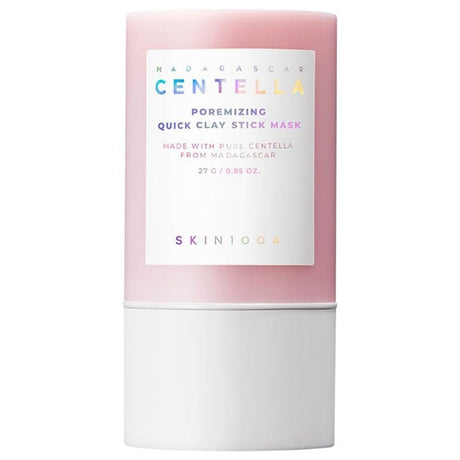

 11% off
SKIN1004
SKIN1004 Madagascar Centella Poremizing Quick Clay Stick Mask - 27 g
Sale price €15.29 Regular price €17.09Unit price€566.30 /kg


Some by Mi
Some By Mi Super Matcha Pore Clean Clay Mask - 100 g
Regular price €15.99Unit price€159.90 /kg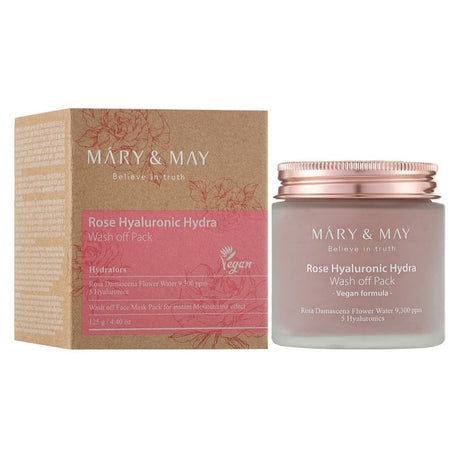

 15% off
Mary&May
Mary&May Creamy Mask with Rose Hyaluronic Clay - 125 g
Sale price €13.59 Regular price €15.99Unit price€108.72 /kg


Clay in Hair and Body Care
Clay isn't limited to face masks. In hair care, clays are used to cleanse and detoxify the scalp, removing build-up from styling products and excess sebum without disrupting the hair's natural balance. Clay-based deodorants offer a natural alternative that neutralises odour through the clay's antibacterial properties rather than blocking perspiration with aluminium salts. If you're interested in exploring a broader range of natural care options, take a look at our facial cosmetics collection and our full personal care and beauty range.
This article is for information only and does not replace medical advice. If you have health concerns, are pregnant, breastfeeding or taking medication, consult a doctor or pharmacist. Dietary supplements are not a substitute for a varied diet.


