

Quality sleep depends on the right conditions — a cool, dark, and above all quiet room. For many people across Europe, that last requirement is the hardest to meet: noisy neighbours, street traffic, a snoring partner, or the early morning sounds of a busy city can rob you of the deep, restorative sleep your body needs. Earplugs are one of the most practical and affordable solutions available — but with so many types on the market, choosing the right pair for your specific needs matters more than most people realise.
How Earplugs Work
Earplugs reduce the volume of sound reaching the eardrum by creating a physical seal inside or over the ear canal. Most are made from foam, silicone, wax, or rubber — each material behaves differently once inserted. Foam plugs, for example, are compressed before insertion and then slowly expand to fill the canal. Silicone and wax plugs conform to the unique shape of your ear through gentle pressure. The result in each case is a reduction in ambient noise — not complete silence, but enough of a reduction to make intrusive sounds manageable.
The effectiveness of an earplug is measured by its SNR (Single Number Rating) or NRR (Noise Reduction Rating). A higher number means greater noise reduction. For sleep, an SNR of 25–35 dB is typically sufficient. For industrial noise or loud music environments, you'd want something at the higher end of that range or beyond.
A Brief History Worth Knowing
Earplugs are older than they might appear. The first commercial earplugs were developed in 1908 by Polish chemist and pharmacist Maximilian Negwer, who combined fat, wax, and cotton wool into an early protective insert. The next major development came in the 1970s with the introduction of polyurethane foam plugs — a material still widely used today. Modern hearing protection has advanced considerably since then, with purpose-designed variants for sleep, swimming, music, travel, and occupational use.
Types of Earplugs: What to Choose and When
Foam Earplugs
Foam earplugs are the most widely available and typically the least expensive option. They're compressed between the fingers, inserted into the ear canal, and allowed to slowly expand until they fill the space. They work well for short-term use or occasional wear, but have a notable drawback: the natural pressure inside the ear canal tends to gradually push foam plugs outward, which can mean repeated readjustment during the night.
Wax Earplugs
Wax earplugs — often made from cotton saturated with wax, paraffin, and petroleum jelly — are widely regarded as among the best options for sleep. They're mouldable, conform closely to the entrance of the ear canal, and don't generate the internal pressure that can make foam plugs uncomfortable over time. They don't fall out during the night and can typically be used several times before needing replacement.
Mouldable Silicone Earplugs
Mouldable silicone plugs are shaped by hand to fit the contours of your outer ear canal. Because silicone is hypoallergenic, they're a good choice for anyone with sensitive skin. Silicone also provides excellent water resistance, making mouldable silicone plugs suitable for both sleep and swimming. They're reusable, easy to clean, and adapt well to ear shapes that standard pre-formed plugs don't fit reliably.
Rubber and Pre-Formed Earplugs
Rubber or hard silicone earplugs with a flanged design are durable and can be used many times. They're easy to clean and maintain their shape consistently. The trade-off is that they're less adaptable than foam or wax — if the shape doesn't suit your ear anatomy well, they may feel uncomfortable after extended wear or during sleep when you're resting the side of your head on a pillow.
Best Earplugs for Sleep
For sleep specifically, the priorities are a secure fit that doesn't shift overnight, minimal pressure inside the canal, and soft materials that don't cause discomfort when lying on your side. These are our recommended options:


 15% off
Haspro
Haspro Sleep Earplugs for Sleeping
Sale price €11.79 Regular price €13.95Unit price€11.79 each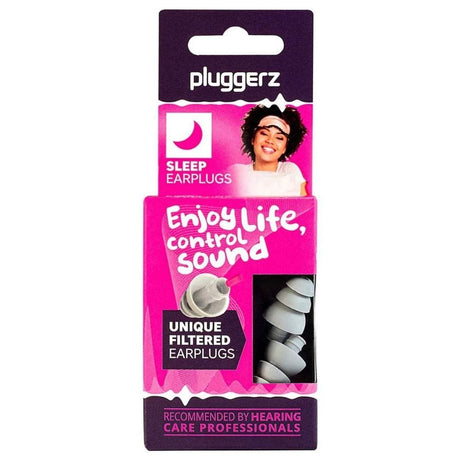


Alpine SleepSoft features a low-profile design with a soft thermoplastic material that warms to body temperature — genuinely comfortable for side sleepers. Alpine SleepDeep uses a denser filter for deeper noise reduction, available in a multipack with two sizes for a more precise fit. Haspro Sleep is a straightforward, well-priced silicone option purpose-built for overnight wear. Pluggerz Enjoy Sleep offers a slim, discreet profile that works well for lighter sleepers sensitive to any protrusion.
Earplugs for Everyday Use and Work
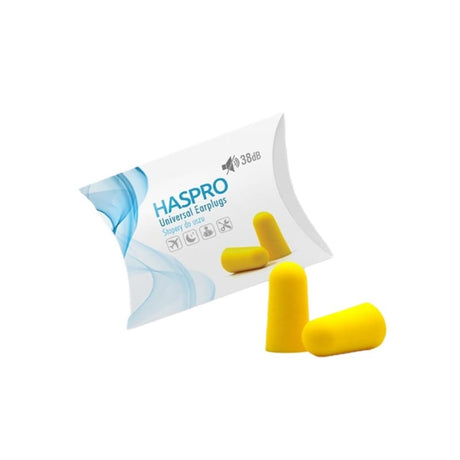
If your need extends beyond sleep — concentration in noisy offices, commuting, loud work environments, or general noise reduction during the day — foam and mouldable options give you the most flexibility:



How to Clean and Maintain Reusable Earplugs
Reusable earplugs last significantly longer with regular cleaning, and hygiene matters — earplugs go directly into an area where bacteria can accumulate. The process is simple: add a small amount of mild dish soap or gentle liquid soap to a bowl of water, submerge the earplugs, and clean them gently with your fingers or a soft cloth. Rinse thoroughly under cold running water to remove all soap residue, which can degrade certain materials over time. Pat dry with a clean towel, gently stretch the plugs back to their original shape, and allow them to air-dry completely before storing or reusing.
For a deeper clean — particularly useful after prolonged use — a brief soak in hydrogen peroxide (a few minutes is sufficient) will help eliminate bacteria. Rinse well afterwards. Do not use hot water, which can distort foam and silicone. Alpine's dedicated earplug cleaning spray is a convenient option if you'd prefer a purpose-made solution.
Find the Right Pair for You
The best earplug is simply the one you'll actually wear consistently — which means it needs to fit comfortably, suit your primary use case, and be easy to maintain. Browse our full earplug collection at Medpak for a complete overview of options from Alpine Hearing Protection, Haspro, and other specialist brands. If you're also looking for protection for children, our ear muffs range includes purpose-built options for younger ears.
This article is for information only and does not replace medical advice. If you have health concerns, are pregnant, breastfeeding or taking medication, consult a doctor or pharmacist. Dietary supplements are not a substitute for a varied diet.


