

Copper is a metallic element with a fascinating history. It was already known and widely used in antiquity — in fact, its Latin name cuprum derives from Cyprus, the island where it was originally mined. Across many languages, the name sounds remarkably similar — including English. While copper is most commonly associated with industry, electrical wiring, and metallurgy, it also plays a surprisingly important role in human health. So how well do we really know this element?
Why Does Your Body Need Copper?
Copper is an essential trace mineral that contributes to a wide range of biological functions — far more than most people realise. It supports the elasticity of blood vessels, plays a role in oxygen transport, and is involved in the production of red blood cells (erythrocytes), helping to protect against anaemia. Copper also contributes to normal nervous system function by supporting the formation of myelin sheaths — the protective coatings around nerve fibres that enable proper signal transmission throughout the brain and body.
This means that copper directly influences cognitive processes such as thinking, memory, and learning. When copper levels drop too low, these functions may become slower or impaired. Additionally, copper supports normal iron metabolism — it helps the body absorb and transport iron more effectively, which is essential for energy and overall vitality.
Copper is also recognised for its role in maintaining normal hair, skin, and nail health. It contributes to natural pigmentation — both in hair and skin. If your hair is losing its lustre, turning grey prematurely, or appearing lifeless, insufficient copper intake may be a contributing factor. The same applies to changes in eye colour intensity.
Copper as an Antioxidant
One of copper's most valuable functions is its contribution to protecting cells from oxidative stress. As a component of the enzyme superoxide dismutase, copper helps neutralise free radicals — unstable molecules that can damage or destroy cells, including nerve cells. This makes copper particularly relevant in the context of ageing and long-term cellular health. For those interested in antioxidant support, copper is an often overlooked but essential piece of the puzzle.
Dietary Sources of Copper
The good news is that copper is widely available in everyday foods. Rich dietary sources include bran, wholegrain bread, oatmeal, walnuts, cocoa, dark chocolate, sunflower seeds, and liver. Smaller but still meaningful amounts are found in dairy products and various types of meat. For most people, a balanced and varied diet should provide sufficient copper intake.
However, supplementation may become necessary in certain situations — for example, if you have nut or seed allergies, follow a restrictive diet, or avoid red meat entirely. In such cases, a quality copper supplement can help bridge the gap.
How Much Copper Do You Need?
Daily copper requirements vary primarily by age. General reference values are as follows:
- Children aged 1–3: approximately 1 mg per day
- Children aged 4–9: approximately 1.5 mg per day
- Adolescents aged 10–18: approximately 2 mg per day
- Adults over 18: approximately 3 mg per day
These are general guidelines — individual needs may differ based on health status, diet, and lifestyle. It's always advisable to consult a healthcare professional before adjusting your mineral intake through supplementation.


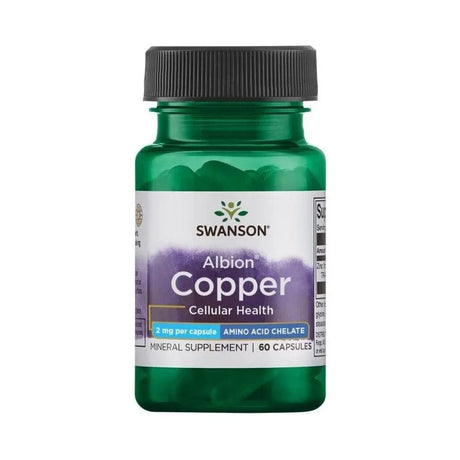
Signs of Copper Deficiency
When copper levels fall below optimal, a range of symptoms can develop. These include difficulty concentrating, memory problems, hyperactivity, increased bone fragility, and heightened susceptibility to infections. In cases of prolonged deficiency, anaemia may develop as the body struggles to produce sufficient red blood cells.
Certain groups should be particularly mindful of their copper intake: people on calorie-restricted diets, those who frequently experience diarrhoea, and individuals supplementing heavily with zinc, fluoride, or cadmium — all of which can interfere with copper absorption. This is an important consideration when designing a mineral supplementation regimen, as balance between trace elements matters.
Can You Have Too Much Copper?
While rare, excess copper in the body can cause significant problems. Symptoms of copper overload include nervous system overstimulation, mood swings, anxiety, nausea, abdominal pain, muscle pain, and disturbances in heart, liver, and respiratory function. Over time, excess copper can accumulate in critical organs — including the liver, the cornea of the eye, and the brain — potentially leading to long-term damage.
Fortunately, copper toxicity is uncommon through diet alone and typically occurs only through prolonged inappropriate supplementation or specific genetic conditions. This underscores the importance of consulting a healthcare professional before starting or adjusting copper supplementation.
Summary: Key Functions of Copper in the Body
Copper may be a trace element, but its influence on human health is anything but minor. Here's a concise overview of its key contributions:
- Antibacterial properties — copper contributes to the body's natural defence mechanisms
- Protein synthesis — supports the production of proteins important for skin health and appearance
- Antioxidant defence — helps protect cells from oxidative damage caused by free radicals
- Cardiovascular support — contributes to normal heart function
- Oxygen transport — involved in carrying oxygen throughout the body
- Blood vessel and red blood cell formation — essential for healthy circulatory function
- Nervous system function — supports myelin sheath production and signal transmission
- Bone health — may help reduce the risk of osteoporosis
- Immune support — contributes to the normal functioning of the immune system
Key Takeaway: Copper is an essential trace mineral with far-reaching effects on your health — from brain function and immune support to hair pigmentation and cardiovascular health. A balanced diet typically provides adequate amounts, but targeted supplementation can be valuable when dietary intake falls short. As with all minerals, balance is key — both too little and too much copper can cause problems.
This article is for information only and does not replace medical advice. If you have health concerns, are pregnant, breastfeeding or taking medication, consult a doctor or pharmacist. Dietary supplements are not a substitute for a varied diet.


