

There are no miracle weight loss pills. No supplement can make the kilograms melt away without changes to diet and lifestyle. However, certain substances—specifically trace elements—can significantly influence the regulation of metabolic processes in the body. Chromium is one such element, long used as an ingredient in weight management supplements and now increasingly taken as a standalone supplement.
What Is Chromium? Sources and Occurrence
Chromium is a trace element found in many foods, which means a well-balanced diet typically provides sufficient amounts for the body's needs. While no official daily requirements have been established, it's generally accepted that 30-100 µg is adequate for most adults.
Chromium ions occur naturally in many foods as organic salts. The richest sources include meat and meat products, fish, seafood, and eggs. Smaller amounts are present in grain products and certain fruits and vegetables, including green peas, broccoli, wheat germ, and various herbs. Particularly high concentrations can be found in brewer's yeast, coarse-grain cereals, wholegrain bread, lean poultry meat, and organ meats.
Chromium's Properties and Effects on the Body
Chromium is a microelement that performs numerous functions in the body. Its most important role is undoubtedly its participation in glucose metabolism. Chromium helps reduce the body's requirement for insulin, which is why it's often recommended for those looking to support healthy blood sugar levels already within normal range.
Additionally, chromium may help support healthy cholesterol ratios—potentially helping maintain LDL (often called "bad" cholesterol) at healthy levels while supporting HDL ("good" cholesterol). For this reason, a diet rich in this element may contribute to cardiovascular health and help maintain healthy arteries.
Chromium also has mild calming properties. Some people find it helps reduce occasional headaches and general nervousness. However, it's another property that has brought this trace element into the spotlight recently.

Now Foods
Now Foods Chromium Picolinate 200 mcg - 100 Veg Capsules
Regular price €5.39Unit price€0.05 each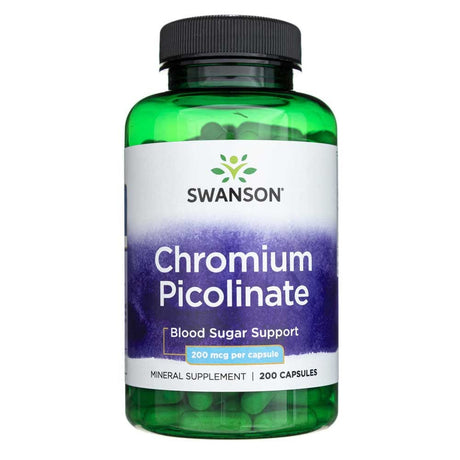


Chromium and Weight Management
Chromium has long been used as an ingredient in weight management supplements, but it's increasingly being taken on its own. This is because this trace element plays a direct role in metabolic processes occurring in the body.
The glucose regulation mentioned earlier has direct implications for body weight. When chromium helps maintain stable blood sugar levels, it may help reduce sudden hunger pangs and cravings—particularly for sweet, unhealthy foods. For this reason, chromium supplementation can be a valuable tool for those looking to manage appetite, especially when it comes to resisting sugary snacks.
How Chromium Supports Body Composition
Beyond appetite management, chromium may support the body in several ways relevant to those working on their physique:
- Metabolic rate: May help support a healthy metabolism
- Body composition: May support the body's natural fat-burning processes
- Lean muscle: Some research suggests it may support muscle maintenance during weight management
Chromium doesn't just influence blood glucose levels. It also participates in and helps regulate the metabolism of fats, carbohydrates, and proteins. In other words, it has a broad influence on many processes in the body that ultimately affect physique and body composition.

Now Foods
Now Foods Chromium Picolinate 200 mcg - 250 Veg Capsules
Regular price €11.79Unit price€0.05 each


 16% off
Aliness
BeOrganic Chrome 100 mcg - 100 Tablets
Sale price €5.99 Regular price €7.09Unit price€0.06 each


Who May Need More Chromium?
Certain groups may have higher chromium requirements than the average person:
- Regular exercisers and athletes: Physical activity increases chromium excretion through urine
- Physical labourers: Similar to athletes, physical work increases mineral turnover
- Those with high-sugar diets: Simple sugars can deplete chromium stores more rapidly
- People managing their weight: Restrictive diets may not provide adequate chromium
For comprehensive mineral support alongside chromium, explore our full minerals collection.
Chromium Deficiency: Signs and Symptoms
Chromium deficiency typically occurs in individuals following very restrictive diets or those who consume excessive alcohol. Kidney conditions and digestive system disorders can also impair chromium absorption.
Signs that may indicate inadequate chromium intake include:
- Headaches and irritability
- Feelings of anxiety or nervousness
- Persistent fatigue
- Difficulty maintaining stable energy levels
- Increased cravings for sweet foods
Choosing the Right Chromium Supplement
Chromium supplements come in several forms, with varying bioavailability:
- Chromium picolinate: One of the most common and well-researched forms, bound to picolinic acid for enhanced absorption
- Chromium GTF (Glucose Tolerance Factor): A natural form found in brewer's yeast, considered highly bioavailable
- Chelated chromium: Bound to amino acids for improved absorption
- Chromium chloride: An inorganic form with lower bioavailability
Most quality supplements use chromium picolinate or GTF chromium due to their superior absorption profiles.
Chromium Dosage and Safety
Standard supplemental doses typically range from 100-200 mcg daily, though some products provide up to 500 mcg. It's generally advisable to start with a lower dose and adjust as needed.
To maximise absorption and effectiveness:
- Take chromium with meals to reduce potential stomach upset
- Combine with vitamin C to enhance absorption
- Avoid taking simultaneously with antacids, which may reduce absorption
- Be consistent—chromium works best when taken regularly over time
Key Takeaway: Chromium is a valuable trace element that supports glucose metabolism, may help manage appetite and cravings, and contributes to healthy cardiovascular function. While it's not a miracle weight loss solution, it can be a useful tool when combined with a balanced diet and active lifestyle. Choose well-absorbed forms like chromium picolinate or GTF chromium, respect recommended dosages, and consult a healthcare professional if you're unsure whether supplementation is right for you.
This article is for information only and does not replace medical advice. If you have health concerns, are pregnant, breastfeeding or taking medication, consult a doctor or pharmacist. Dietary supplements are not a substitute for a varied diet.


