

When dealing with any type of poisoning or digestive upset, finding an effective method to support the body's natural cleansing processes can be a real challenge. Often, the problem is that an already burdened stomach simply cannot handle additional medications. Stomach pumping remains an option, but it is a highly invasive procedure that can only be performed in a clinical setting. Fortunately, there is another approach that has been used for centuries and is readily available — activated charcoal.
What Is Activated Charcoal
Activated charcoal, also known as activated carbon or medicinal charcoal, is available in the form of black tablets, capsules, or powder that can be purchased without a prescription. It is produced from wood pulp, coconut shells, or bamboo at temperatures of around 900°C, and then activated using steam or strong acids to maximise its adsorptive surface area. To put its capacity into perspective, just 1 gram of activated charcoal can have a surface area of up to 1,000 square metres or even more — making it one of the most effective natural adsorbent substances available.
The use of charcoal for health purposes is far from a modern invention. Indigenous communities across Australia, Africa, and the Americas have traditionally used charcoal derived from burned animal bones for various wellness applications. Even Hippocrates and his students recommended powdered charcoal for wound care, believing it could support the healing process and help manage unpleasant odours.
How Activated Charcoal Works
The primary action of activated charcoal lies in its powerful adsorptive properties — its ability to bind other substances, including bacteria and toxins, to its surface. When taken internally, it can create a protective layer on the mucous membrane of the digestive tract, which may help shield it from the effects of harmful substances. This is what makes it a widely recognised traditional support for digestive discomfort and occasional stomach upsets.
A lesser-known application of activated charcoal is its traditional use as a supportive measure in cases of accidental medication overdose. In such situations, it is typically administered within one hour and works by binding to the substance in the digestive tract. However, it is important to note that activated charcoal does not bind to all substances equally, and its use in emergency scenarios should always be guided by a medical professional.
Bamboo Activated Charcoal
One of the most sustainable sources of activated charcoal is bamboo. Bamboo stalks used for charcoal production are harvested approximately every five years, then burned at around 1,000°C and ground into a fine powder. Because bamboo is one of the fastest-growing plants on Earth — and its roots quickly produce new shoots after cutting — bamboo charcoal production is considered one of the most environmentally friendly manufacturing processes available.
Bamboo charcoal does not dissolve in water, which makes it particularly well-suited for cosmetic applications. When added to skincare products, it forms a suspension that is easy to work with. This is why bamboo activated charcoal has become a popular ingredient in soaps, cleansing gels, and face masks. Its particles attract impurities and may help absorb excess oil, which is why it has earned the nickname "black gold" among skincare enthusiasts, especially those dealing with oily or blemish-prone skin.
Coconut Activated Charcoal
Coconut activated charcoal is a specific type derived from carbonised coconut shells. It is particularly popular among those who prefer natural approaches to wellness and body cleansing. Coconut charcoal is commonly used as an addition to smoothies and drinks, and as a natural, odourless food-grade colouring agent — it does not alter the taste of foods while adding a striking black colour.
Another popular application is in natural oral care. Coconut charcoal has become a go-to ingredient in charcoal toothpastes, which aim to help remove surface stains from teeth. If you are interested in exploring natural oral care options, our oral care collection features a variety of charcoal-based toothpastes and dental products from trusted brands.


Aliness
Aliness Coconut Activated Charcoal - 100 Veg Capsules
Regular price €9.09Unit price€0.09 each


Popular Uses of Activated Charcoal Today
While activated charcoal has a long history in traditional medicine, its modern applications extend well beyond digestive support. Here are some of the most common ways people use it today:
- Digestive support — traditionally used to help ease occasional stomach discomfort and support the body during digestive upsets
- Skincare — found in face masks, cleansing soaps, and scrubs designed to draw out impurities and support clearer-looking skin
- Oral care — a key ingredient in natural whitening toothpastes that aim to remove surface stains
- Detox drinks — added to smoothies and juices as part of cleansing routines
- Water filtration — used in filters to help remove impurities and improve water quality
For those looking to support their digestive system more broadly, our digestive health collection offers a wide selection of supplements that may complement an activated charcoal routine.


Ben&Anna
Ben&Anna Whitening Toothpaste with Activated Charcoal - 100 ml
Regular price €9.09Unit price€9.09 /100ml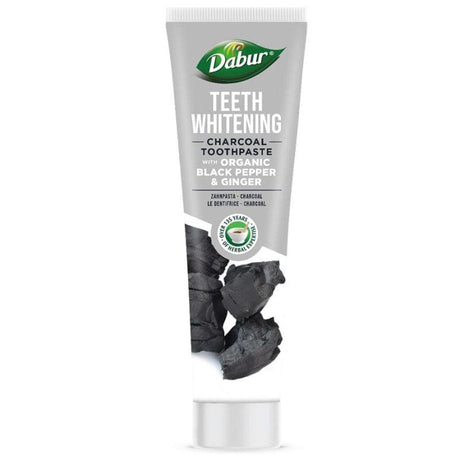

Dabur
Dabur Active Charcoal Whitening Toothpaste - 100 ml
Regular price €4.49Unit price€4.49 /100ml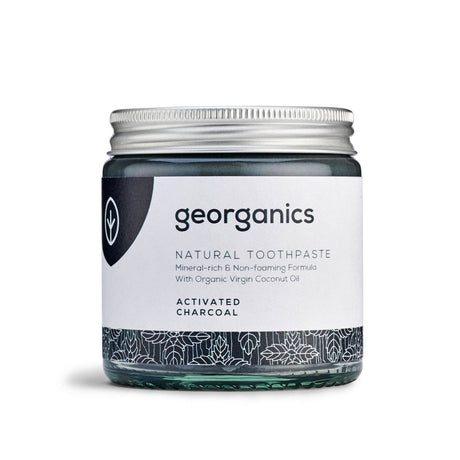
Georganics
Georganics Mineral Toothpaste with Activated Charcoal - 60 ml
Regular price €8.09Unit price€13.48 /100ml


Precautions and Side Effects
Although activated charcoal is generally considered safe for occasional use, it is not suitable for everyone. It should not be taken in cases of acute abdominal pain, suspected intestinal obstruction, or ulcerative colitis. It is also not recommended for infants or individuals with impaired consciousness.
It is important to be aware that activated charcoal can interfere with the absorption of medications, nutrients, and digestive enzymes. For this reason, it should not be taken at the same time as prescription drugs or other oral supplements. It is best taken on an empty stomach, as food can reduce its effectiveness. Common side effects may include temporary black discolouration of stool, and in some cases, constipation or mild gastrointestinal discomfort.
Long-term daily use of activated charcoal is generally not recommended, as it may impair the absorption of vitamins and essential nutrients over time. As with any supplement, moderation and informed use are key.
Key Takeaway: Activated charcoal is a versatile, naturally sourced substance with a rich history of traditional use — from digestive support to skincare and oral care. When used responsibly and occasionally, it can be a valuable addition to your wellness toolkit. Explore our detox and cleanse collection to discover activated charcoal supplements and related products available at Medpak.
This article is for information only and does not replace medical advice. If you have health concerns, are pregnant, breastfeeding or taking medication, consult a doctor or pharmacist. Dietary supplements are not a substitute for a varied diet.


